RSS

Top 10 Questions Every Quadra Island Buyer Must Ask Before Making an Offer in 2026

Spring 2026 is heating up fast in the Discovery Islands. Inventory is still tight, good properties are moving quickly, and more buyers are crossing the ferry every week.

But island real estate is not the same as buying in Vancouver or Victoria. A beautiful view can hide expensive surprises: failing septic systems, low-yield wells, unpermitted additions, zoning restrictions, or insurance nightmares.

Asking the right questions before you write an offer is the single biggest thing you can do to protect your money and your peace of mind.

Here are the 10 most important questions I ask on behalf of every buyer I represent — and that you should ask too.

1. When was the septic system last inspected and pumped?

Most homes on Quadra and many in rural Campbell River are on private septic.

  • Ask for the most recent inspection report (ideally within 12 months).

  • If it’s older than 2–3 years, insist on a current inspection before removing subjects.

  • Replacement cost: $25,000–$50,000 depending on type and soil conditions.

2. Has the well been flow-tested and water quality tested recently?

  • Minimum reliable flow: 3 GPM (gallons per minute) sustained for most lenders.

  • Request recent flow test results and potability report (bacteria, nitrates, arsenic).

  • Drilling a new well or upgrading storage can easily cost $10,000–$25,000.

3. Are there any unpermitted additions, suites, or outbuildings?

Unpermitted work is very common in rural areas — decks, cabins, garages, secondary suites.

  • Ask for copies of all building permits.

  • Retroactive permits are possible but expensive and time-consuming.

4. What is the current zoning and can I add a secondary dwelling or suite?

Many lots are zoned for two dwellings (check Strathcona Regional District or Campbell River bylaws).

  • Confirm whether a suite is already legal or would require rezoning/variance.

  • Huge value-add potential in 2026 rental/income markets.

5. How reliable is ferry access and what happens during winter storms?

  • Ask locals about actual wait times, cancellations, and overloads.

  • If you commute to Campbell River or Courtenay, calculate real travel time.

  • Consider backup plans (boat, floatplane, extended stays).

6. What are the current home insurance costs and any known restrictions?

  • Ask if the property has flood/fire/wildfire risk notations.

  • Insurance companies may need a WETT certification for your wood stove. 

  • Get quotes before removing subjects — some insurers won’t cover older homes or high-risk zones.

7. How reliable is internet, cell service, and power in this specific location?

  • Starlink is now common, but not everywhere.

  • Ask about actual upload/download speeds and outages.

  • Power reliability varies — many buyers add generators after the first winter storm.

8. Are there any neighbour disputes, easements, or community issues I should know about?

Fences, driveways, water rights, shared roads, barking dogs, short-term rentals next door.

  • A quick chat with neighbours can reveal a lot.

9. What are the most recent comparable sales and is the asking price justified?

  • Ask for sold comps within the last 6–12 months (not just active listings).

  • Local agents have access to detailed VIREB data — use it.

10. What is the realistic closing timeline and moving logistics?

  • Ferry schedule during peak hours and busy tourist season for movers can fill up fast.

  • Ask about utility transfer timelines and any seasonal restrictions.

Bonus: My Personal Top 3 Questions I Always Ask for Clients

  1. “Can you show me the last three years of utility bills?”

  2. “Have there been any insurance claims in the last 5 years?”

  3. “Would the seller be open to a longer subject removal period for inspections?”

Download Your Free “10 Questions Checklist” PDF

I’ve put all 10 questions (plus bonus notes and space for your answers) into a simple printable PDF.

Download Free Checklist → (Form: Name + Email → instant download)

Ready to Ask These Questions With Confidence?

You don’t have to figure this out alone. I ask these exact questions (and many more) for every buyer I represent — and I know exactly who to call for inspections, quotes, and answers.

If you’re seriously considering a property on Quadra Island or in Campbell River in 2026, let’s talk.

Call/text me anytime: 604-787-4594 Email: contact@romansellshomes.ca

I’m here to help you buy smarter — not just buy faster.

— Roman Krzaczek REALTOR® | Quadra Island Resident

Read

The Ultimate First-Time Buyer Checklist for Quadra Island in 2026

Thinking about buying your first home on Quadra Island or in Campbell River? You’re not alone — more people than ever are making the move to the Discovery Islands in 2026. But island real estate is very different from buying in the city.

From ferry schedules and septic systems to wells, zoning, and insurance, there are extra steps that can make or break your purchase. That’s why I created this complete first-time buyer checklist based on what I’ve seen help (and sometimes hurt) my clients over the past years as a local REALTOR® on Quadra Island.

Follow these 7 steps and you’ll buy with confidence — and avoid expensive surprises.

1. Understand Island Life Before You Start Looking

Before you fall in love with a waterfront view, make sure island living is right for you.

  • Research ferry schedules and winter reliability

  • Visit multiple times in different seasons (especially in February/March)

  • Talk to locals about power outages, internet (Starlink is common), and grocery runs

  • Consider your work-from-home setup — cell service and high-speed options vary by area

Pro Tip: Spend a weekend on Quadra or in Campbell River before making offers. Many buyers skip this and regret it later. I have written a few blog posts about this, Is Island Life Right for you?- and have also recorded a YouTube video to show you Winter on Quadra Island.

2. Get Pre-Approved & Understand Island Financing

Banks treat island properties differently.

  • Get a mortgage pre-approval specifically for rural/ island properties

  • Expect stricter lending rules for homes with septic systems or wells

  • Factor in higher insurance costs (especially waterfront or older homes)

  • Budget for closing costs that are often 2–3% higher than in urban areas

Work with a lender who has experience with Discovery Islands properties. Sometimes the best lender is the local Coastal Credit Union - they understand the local market and the intricate issues facing home owners in the area. 

3. Know What to Look For During Viewings

When you tour properties, don’t just focus on the view.

Must-ask questions:

  • When was the last septic inspection and pump?

  • Has the well been flow-tested? (Minimum 3 GPM recommended)

  • Are there any unpermitted additions or buildings?

  • What’s the zoning — can you add a suite or secondary dwelling?

  • Any history of flooding or erosion (especially waterfront)?

4. Budget for the Hidden Rural Costs

Island living has extra expenses city buyers often miss:

  • Septic system replacement: $25,000 – $45,000

  • Well upgrades or new drilling: $8,000 – $15,000+

  • Higher home insurance (especially post-2024 wildfire and flood changes)

  • Annual ferry costs if commuting 

  • Snow removal and generator backup (many areas lose power in winter storms)

Build these into your budget from day one.

5. Always Do a Thorough Pre-Purchase Inspection

Never skip this on Quadra or Campbell River.

Insist on:

  • Full septic inspection (Type 1, 2 or 3)

  • Well flow and water quality test

  • Structural, roof, and electrical inspection

  • WETT inspection of the wood stove

I always recommend inspectors who live locally and understand island properties.

6. Make a Strong Offer in a Low-Inventory Market

2026 is still a seller’s market in many areas.

  • Be ready with a clean offer (subjects removed quickly)

  • Include a strong deposit if possible

  • Consider including a home inspection contingency (very common here)

  • Work with a local agent who knows current comparable sales

7. Plan Your Move & Closing

Once you’re under contract:

  • Book the moving van and double check the weather conditions days before. Hope for no ferry cancellations. 

  • Arrange utilities transfer early (BC Hydro, Propane, Internet)

  • Line up local services (septic pumping, well maintenance, firewood)

  • Update your insurance the day you take possession

Ready to Take the Next Step?

Buying your first home on Quadra Island or in Campbell River is exciting — but it doesn’t have to be stressful. I’ve helped dozens of first-time buyers make the move successfully, and I’d love to help you too.

Call or text me anytime at 604-787-4594 or email contact@romansellshomes.ca

Even if you’re just starting to explore, I’m happy to answer questions with no pressure.

Let’s find your perfect island home in 2026.

— Roman Krzaczek REALTOR® | Quadra Island Resident

Read

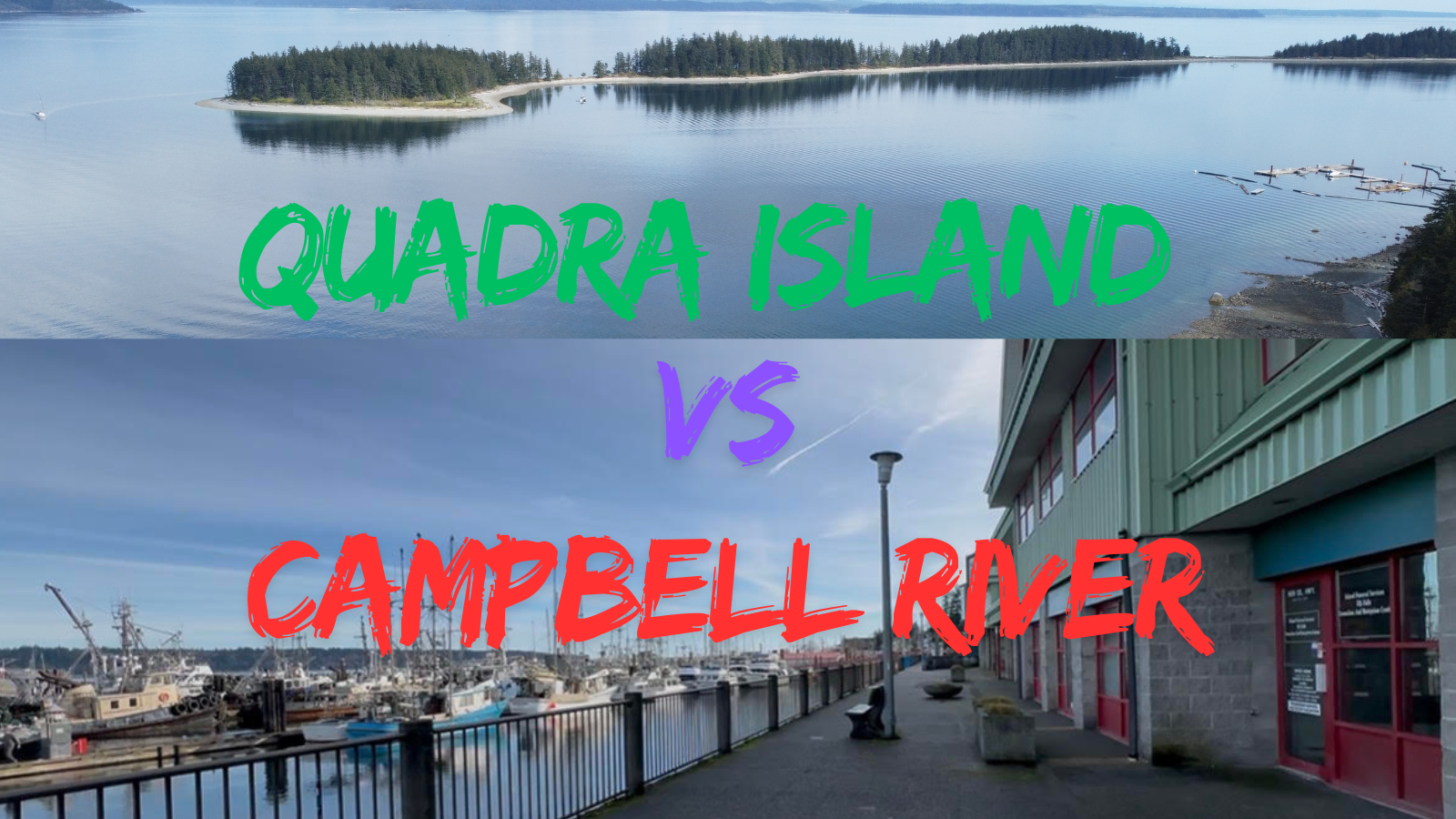
Is Island Life Right for You? A Guide to Moving to Quadra Island vs. Campbell River in 2026

Relocation / Local Guides Publish Date: February 13, 2026

Imagine this: You wake up to the sound of silence, sip coffee on a deck overlooking the ocean, and your biggest traffic jam is a family of deer crossing the road. That’s the Quadra Island dream.

Now, imagine this: You wake up, drive five minutes to drop the kids at school, grab a Starbucks, and hit the gym before heading to the office—all while still having ocean views. That’s the Campbell River reality.

As a realtor working in both markets, the most common question I get from clients relocating to our beautiful part of the world is: "Should I buy in town or make the leap to the island?"

Both offer incredible access to nature, but the day-to-day lifestyles are vastly different. Here is your honest comparison for the Spring 2026 market to help you decide.

1. The Commute: Ferries

If you live on Quadra and work in Campbell River, your life is ruled by the BC Ferries schedule.

  • The Reality: The crossing is only 10-15 minutes, but you need to factor in wait times. The "commuter runs" (7:30 AM / 8:00 AM leaving Quadra and 5:00 PM / 5:25 PM leaving CR) can get busy.

  • The 2026 Update: We are seeing more options for foot passengers, including the new CR Shuttle service that launched last summer, making it easier to get around without a car, but this is a seasonal option.

  • Pro Tip: If you buy on Quadra, you will become an expert at timing your arrival to Quathiaski Cove. It becomes a lifestyle—a time to decompress, read a book, or chat with neighbors. If you hate waiting, Campbell River is your winner.

2. Amenities: Convenience vs. Community

Campbell River is the "Big City" of the North Island.

  • Healthcare: You have immediate access to the North Island Hospital.

  • Shopping: Big-box stores, multiple large grocery chains, and specialty shops are 5-10 minutes away.

  • Schools: High school students on Quadra generally commute to Campbell River (Carihi or Timberline Secondary). It’s a rite of passage for island kids, but something for parents to consider regarding extracurriculars and late-night pickups.

Quadra Island operates on "Island Time."

  • The Basics: We have two fantastic villages (Quathiaski Cove and Heriot Bay) with grocery stores, a pharmacy, and a medical clinic. You can get your essentials here, but a "Costco run" is a half-day event.

  • The Trade-off: What you lose in convenience, you gain in community. Quadra has a vibrant arts scene, farmers markets, and a culture where neighbors truly help neighbors.

3. The Real Estate Snapshot (Early 2026)

The market has shifted slightly as we head into spring.

  • Campbell River: Assessment values have remained relatively flat this year (hovering around the +/- 0-1% change mark for many detached homes). This means buyers have more stability and less "bidding war" panic than in previous years. You are generally buying a traditional subdivision home or a condo with low maintenance.
    What kind of detached homes can you expect to see for up to $800,000? 

  • Quadra Island: Inventory here is always tighter. You are often buying unique properties—acreages, homes with septic systems and wells, or rustic cabins. The value here isn't just in the house; it's in the privacy. A $700k budget often buys you a very different lifestyle on Quadra (think trees and space) compared to Campbell River (think paved driveways and sewers).

    What kind of detached homes can you expect to see for up to $800,000? 

The Verdict: Which "Vibe" is Yours?

Choose Campbell River if:

  • You value spontaneity (want to go out for dinner at 7 PM without checking a ferry schedule).

  • You have young children involved in heavy sports/activities in town.

  • You want city services (sewer, gas, municipal water) and less home maintenance.

Choose Quadra Island if:

  • You want your home to be a retreat from the world.

  • You are okay with a slower pace and don't mind planning your day around a boat.

  • You want to be part of a tight-knit, artistic, and rural community.

Still on the fence? The best way to decide is to experience the "ferry factor" yourself. Let’s book a day to tour a listing in Campbell River in the morning and hop over to Quadra in the afternoon. You’ll feel the difference immediately.

Call or text me at 604-787-4594 to set up your tour.


Read

Navigating the Spring 2026 Market: A Buyer’s Strategy for Campbell River & Quadra Island

Spring is traditionally the busiest season in real estate, and 2026 is shaping up to be no exception. In my last post, I talked about how sellers can use this time for a "February Fix-Up." But if you are on the other side of the transaction—looking to buy your first home, upgrade, or relocate to our beautiful coast—you need a strategy of your own.

The frantic "bidding war" energy of the past few years has settled into something more recognizable: a balanced market. Here is what that means for you and how you can position yourself for success in Campbell River and Quadra Island this spring.

The 2026 Market: Stable & Balanced

As we head into spring, the keywords are stability and choice.

  • Inventory is Healthy: For the first time in a decade, we are seeing inventory levels across Vancouver Island return to historical norms. This is great news for buyers—it means you finally have the luxury of time to view multiple properties without feeling pressured to write an unconditional offer in the driveway.

  • Pricing: Benchmark prices for single-family homes in Campbell River are hovering comfortably in the $670,000 – $700,000 range. We aren't seeing the sky-high spikes of previous years, but prices remain resilient.

  • Interest Rates: With the Bank of Canada holding the policy rate at 2.25% to start the year, mortgage rates have found a "new normal." Five-year fixed rates are generally sitting in the high-3% to low-4% range. While this isn't the emergency-low pricing of 2020, it is a stable environment that allows for predictable budgeting.

Your Buyer Strategy Checklist

Even in a balanced market, the best properties still move quickly. Here is how to be ready:

1. Update Your Pre-Approval If you were pre-approved last fall, get it refreshed. Rates have stabilized, but lending criteria can shift. Ensure you know exactly what your purchasing power is today so you can move with confidence when the right listing hits.

2. Maximize Your Incentives Make sure you are taking full advantage of the government programs available in 2026:

  • FHSA (First Home Savings Account): If you haven't opened one yet, do it now. It combines the tax deduction of an RRSP with the tax-free withdrawal of a TFSA.

  • RRSP Home Buyers' Plan: Remember, the withdrawal limit is now $60,000.

  • BC Home Owner Grant: The threshold for 2026 has been adjusted to $2.075 million. While this likely won't affect most first-time buyers in our area, it’s good to know that your property taxes will likely still be eligible for the full grant.

3. Define Your "Must-Haves" vs. "Nice-to-Haves" In 2026, we are seeing a shift in what buyers value most:

  • Income Helpers: With the cost of living in mind, properties with legal suites or carriage homes are at the top of the list to help offset mortgage payments.

  • Work-from-Home Space: Dedicated office space remains a priority for the many remote workers moving to the coast.

  • "Wet Gear" Zones: We live in a rainforest! Mudrooms with durable storage for gumboots and rain jackets are a huge lifestyle plus.

Local Spotlight: Infrastructure & Due Diligence

For Quadra Island Buyers: You likely saw my post in December about wells and septic systems—that due diligence is non-negotiable. But also keep an eye on the ferry terminal upgrades happening at Heriot Bay and Whaletown this spring. While construction can be a temporary headache, the long-term payoff is better reliability and capacity for our island communities.

For Campbell River Buyers: The city is investing heavily in lifestyle infrastructure. Keep an eye on neighborhoods near Nunns Creek Park, which is slated for major enhancements this year, including upgraded fields and festival areas. Buying near improving infrastructure is always a smart long-term equity play.

The Bottom Line

Spring 2026 offers a "Goldilocks" window for buyers: enough inventory to find what you want, but enough stability to make a calm, informed decision.

Don't wait for the "perfect" time—the market is balanced now. If you are ready to start your search, let’s sit down for a consultation and build a plan that gets you into your new home before summer.

Roman Krzaczek Your Local Expert for Quadra Island  📞 604-787-4594 ✉️ Contact Me Here

Read

Upcoming 2026 Events on Quadra Island You Don’t Want to Miss

Quadra Island, the largest of the Discovery Islands between Vancouver Island and the BC mainland, has a deep and layered history that enriches its vibrant community events. For thousands of years, the island has been home to Indigenous peoples, with archaeological evidence of settlement dating back over 4,000 years. In 1792, Captain George Vancouver encountered a Coast Salish village at Cape Mudge, describing longhouses and a thriving population. Later, the We Wai Kai Nation (part of the Laich-kwil-tach and broader Kwakwaka’wakw peoples) established strong ties here through migration, intermarriage, and resource stewardship—particularly drawn to the abundant salmon runs. The island was named in 1903 after Spanish navigator Juan Francisco de la Bodega y Quadra, who explored the region in the late 1700s.

European settlers arrived in the late 19th century, drawn by logging, fishing, and mining opportunities. Early industries included the Lucky Jim Mine and extensive timber operations, shaping pioneer life with challenges like forest fires and remote isolation. Today, this blend of Indigenous heritage, pioneer spirit, and natural beauty fosters the strong community bonds celebrated in our annual events.

Quadra Island History, Discovery Islands, British Columbia, Quadra ...

quadraisland.ca

As we head into the new year, Quadra Island's vibrant community spirit shines through its calendar of annual events. Whether you're a long-time resident, a seasonal visitor, or considering a move to our beautiful island, these gatherings are perfect for connecting with neighbors, celebrating local culture, and enjoying the natural beauty that makes Quadra so special. Participating in these events is one of the best ways for newcomers to feel at home—building friendships and a sense of belonging in our tight-knit community.

Here are some highlights to mark on your 2026 calendar (dates may vary slightly; check local sources like the Quadra Community Centre or Quadra island Recreation Society  and check the community calendar): 

1. Words & Noise Songwriting Workshop (March 27-29, 2026)

Kick off the year with creativity at the Heriot Bay Inn. This weekend workshop led by award-winning songwriter Terra Spencer is a fantastic opportunity for aspiring musicians to hone their skills in an inspiring island setting.

2. Quadra Island May Day Celebration (Saturday after the May long weekend, typically late May)

One of Quadra's oldest and most cherished traditions, dating back to 1898! This beloved event traces its roots to the celebration of Queen Victoria’s Diamond Jubilee in 1897, with the first full May Day held the following year. Early pioneer families would arrive by boat or horse for picnics and fun games, like the infamous greased-pig contest, ending the day singing "God Save the Queen." During World War I, the tradition of crowning a May Queen was emphasized to boost patriotic spirit.

Over the decades, it has evolved while keeping its joyful, non-commercial heart—shifting from formal Sunday best attire to elaborate themed costumes (think "wild," "love," or "Hollywood’s silver screen"). Large community dances at the historic Heriot Bay Inn were a highlight for many years, lasting into the 1980s.

Held at Rebecca Spit Provincial Park, this family-friendly event features a colorful parade, May Queen crowning, Maypole dancing, races, tug-of-war, driftwood fort-building, face painting, and a box lunch auction. It's a joyful celebration of community diversity and cooperation—perfect for all ages.

Clam Digging through 3,500 Years of Indigenous History | Hakai ...

hakaimagazine.com

en.wikipedia.org

Vanishing British Columbia by Michael Kluckner

michaelkluckner.com

Quadra Island History, Discovery Islands, British Columbia, Quadra ...

quadraisland.ca

3. Quadra Island Farmers' Market & Bazaar (Saturdays from May to mid-September)

Every Saturday in Quathiaski Cove (across from the Credit Union), browse stalls brimming with fresh local produce, home-baked goods, handmade crafts, and unique artisan items. It's a weekly hub for supporting island growers and creators while soaking up the friendly atmosphere.

4. Quadra Island Festival of Chamber Music (Summer 2026, details in spring)

This acclaimed summer event brings world-class musicians to intimate venues across the island, offering exquisite performances that blend big-city culture with our small-island charm. The 2026 program and tickets will be announced in spring—sign up for updates at quadrafestival.ca.

5. Quadrapalooza Arts & Music Festival (Labour Day long weekend, late August/early September)

A family favorite at the Quadra Community Centre! Enjoy live music on multiple stages, local artists, vendors, food, games, and a bouncy zone for kids. It's a weekend of dancing, laughter, and showcasing Quadra's creative talents. Quadrapalooza.com 

6. Quadra Island Studio Tour is a two day event where you get to visit art studios, EARLY JUNE.

Chat to the artists and have a chance to buy their art if you like. It’s really great to visit the artists in their creative space! The Studio Tour is a great event and it’s a must on my list every year! 

These events, along with ongoing activities at the Quadra Community Centre (concerts, workshops, and more), highlight what makes island life so rewarding: strong community bonds, artistic expression, and outdoor fun. For newcomers relocating to Quadra, attending these gatherings is an ideal way to integrate and discover why so many fall in love with our island. You may also enjoy quiet hikes on the island, so I’m sharing the Quadra Island Trails Map. 

If you're thinking about making Quadra Island your home in 2026, I'd love to help you find the perfect property. Contact me for a personalized real estate consultation!

Roman Krzaczek Your Quadra Island Real Estate Expert https://romankrzaczek.ca

Read

Pre-Inspection Guide for Island Properties (Wells, Septic, Power, Easements)

For Quadra Island, Cortes Island & rural Vancouver Island buyers

Buying a home on Quadra Island or any rural Vancouver Island community comes with a unique charm — privacy, nature, and that easy coastal lifestyle. But it also comes with extra due-diligence. Island properties often rely on wells, septic systems, independent power setups, and may have road or access easements that don’t exist in urban neighbourhoods.

This pre-inspection guide walks you through the essentials so you can buy with confidence and avoid expensive surprises.


Why Pre-Inspections Matter on Island & Rural Listings

Rural properties don’t operate on city services. Before writing an offer — or during your subject removal period — checking the water, waste, power, and legal access can save you from major repair costs.

This guide covers:

  • Septic Inspection BC (maintenance, repairs, lifespan)

  • Well Testing Vancouver Island (quality & quantity)

  • Rural Home Checklist (power, boundaries, easements)

  • Tips specifically for Quadra Island, Cortes Island, Campbell River rural areas, and remote locations


1. Well Water: What to Check Before You Buy

Water Quality Testing

Most island homes rely on drilled or shallow wells. It’s essential to run a full water test for:

  • Bacteria (coliform, E. coli)

  • Nitrates & nitrites

  • Metals (iron, manganese)

  • pH & hardness

  • Turbidity

Ask for:

  • Recent water test results

  • Well logs (depth, flow rate, construction date)

  • Treatment equipment info (UV, filters, softeners)

Flow Rate & Recovery

Quadra Island and Cortes Island properties can vary dramatically — some have excellent 10+ GPM wells, others rely on low-yield systems with storage tanks.

Make sure you know:

  • Gallons per minute (GPM)

  • Recovery rate

  • Whether storage tanks or booster pumps are needed

If results are borderline, a certified well contractor can advise on upgrades.

Please watch my YouTube Video about Water wells below:  


2. Septic System: The Most Important Rural Inspection

Type of System

Common systems on Vancouver Island include:

  • Conventional gravity

  • Pressure distribution

  • Mound systems

  • Aerobic treatment units

Get a Full Septic Inspection

A visual check is not enough. Ask for:

  • Tank pump-out + internal inspection

  • Camera scoping of lines

  • Drain field condition assessment

  • Permit records from Vancouver Island Health Authority

Red flags include:

  • Wet or soggy patches above the field

  • Large trees growing over the system

  • Slow drains or odours inside the home

Expected lifespan

Most systems last 25–40 years depending on soil conditions, maintenance, and usage.


3. Power: On-Grid, Off-Grid, and Backup Systems

Island living can mean creative power solutions, especially on remoter parts of Quadra or Cortes.

On-Grid Homes

Confirm:

  • BC Hydro connection

  • Age of electrical panels and amperage 

  • Evidence of aluminum wiring

  • Generator plug-in availability

  • EV charger compatibility

Off-Grid or Hybrid Homes

These require special due-diligence:

  • Solar array age & output

  • Battery bank type and age (lithium vs lead-acid)

  • Inverter condition

  • Backup generators

  • Fuel systems (propane, diesel, wood)

Ask for maintenance logs if possible — these systems are expensive to replace.


4. Easements, Access & Boundaries

Rural lots often include shared roads, driveways, or utility easements.

Key documents to review

  • Land Title records

  • Registered easements (power lines, wells, shared driveways)- VERY IMPORTANT!

  • Statutory right of ways

  • Access agreements

Why this matters

Unknown easements can affect:

  • Where you can build

  • Where you can park or fence

  • Who can legally cross your property

  • Future value and resale

Your agent (that’s where I come in!) can pull all the necessary title checks and explain what each item means.


5. Bonus: Rural Home Checklist for Buyers

Here’s what to confirm before subjects are removed:

🔎 Water

  • Well log available

  • Water test < 6 months old

  • Pump age and type

  • Flow test completed

🔎 Septic

  • Last pump-out date

  • Certified inspection

  • Layout map & permit

  • Drain field condition

🔎 Power

  • BC Hydro or off-grid system

  • Generator and transfer switch

  • Electrical panel age

  • Solar & battery specs (if applicable)

🔎 Property

  • Lot boundaries confirmed

  • Registered easements reviewed

  • Road access year-round

  • FireSmart risks checked


Final Thoughts: Buy Rural With Confidence

Island properties offer a lifestyle you can’t find anywhere else — ocean views, forest trails, privacy, and a tight-knit community. With the right prep work, buying rural can be a smooth, confident experience.

If you’re planning a move to:

  • Quadra Island

  • Cortes Island

  • Campbell River rural areas

  • Or anywhere on Vancouver Island

…I’d be happy to guide you through the entire well, septic, power, and access process.

Have questions or want to book a viewing?
I’m here to help — reach out anytime.

Read

The 2025 Vancouver Island Migration Report: Who’s Moving Here — and Why It Matters for Buyers

Vancouver Island has long been known as a destination for retirees, outdoor lovers, and lifestyle seekers — but the profile of people moving here is changing fast. As we head into 2025, new migration and economic data paints a clear picture: Vancouver Island is attracting younger families, remote workers, and inter-provincial buyers in record numbers, not just retirees.

If you’re thinking about moving to Vancouver Island, investing in regional real estate, or relocating specifically to areas like Campbell River, this migration shift directly affects pricing, housing demand, and long-term market stability.

Here’s a clear, data-backed breakdown of who’s moving to Vancouver Island in 2025 and why they’re choosing it.


Where Are Buyers Moving From?

1. Lower Mainland (Vancouver, Burnaby, Surrey & Fraser Valley)

The Lower Mainland remains the #1 source of new Vancouver Island residents. Many buyers are:

  • Priced out of Metro Vancouver

  • Seeking quieter communities

  • Working remotely

  • Downsizing from high-density living

For many, selling a condo or home in Greater Vancouver unlocks the ability to purchase a detached home on Vancouver Island with cash left over, especially in mid-Island and North Island communities.

This trend has been particularly strong since 2020 and continues into 2025 as housing affordability remains a major issue in Metro Vancouver.


2. Alberta Buyers (Calgary, Edmonton & Oil Patch Regions)

Alberta continues to supply a steady stream of buyers to Vancouver Island, especially:

  • Semi-retired professionals

  • Tradespeople

  • Remote tech workers

  • Snowbirds relocating full-time

Key motivations:

  • Milder coastal climate

  • Access to ocean recreation year-round

  • Lower property taxes compared to some Alberta cities

  • Lifestyle upgrade without major time-zone disruption

Many Alberta movers focus on Campbell River, Courtenay, Comox, and Nanaimo as they offer strong value relative to Southern Vancouver Island.


3. Inter-Provincial Migration Across Canada

Over the past decade, tens of thousands of people from Ontario, Saskatchewan, and the Prairies have relocated to Vancouver Island. While inter-provincial migration has softened slightly in the last year due to economic conditions, the long-term trend remains positive.

Buyers are motivated by:

  • Climate stability

  • Access to healthcare hubs

  • Coastal lifestyle

  • Retirement planning

  • Investment diversification


4. European Buyers & International Movers

International migration continues to play a role — particularly from:

  • United Kingdom

  • Germany

  • Netherlands

  • France

Many are:

  • Returning Canadians who previously lived abroad

  • Lifestyle migrants seeking coastal living

  • Retirees with long-term immigration status

International buyers are particularly drawn to:

  • Ocean-view properties

  • Acreage

  • Rural lifestyle markets

  • Eco-friendly homes


5. Remote Workers & Digital Professionals

One of the biggest drivers of Vancouver Island migration in 2025 is remote and hybrid work. High-income professionals in:

  • Tech

  • Marketing

  • Finance

  • Design

  • Consulting

are no longer tied to physical offices. This allows them to choose lifestyle first — location second.

These buyers typically seek:

  • Reliable high-speed internet

  • Ocean access

  • Hiking and outdoor recreation

  • Larger homes with office space

This group is significantly impacting markets like Campbell River, where affordability, nature, and infrastructure intersect.


Who Is Actually Moving? (Age & Demographics)

Vancouver Island is no longer just a retirement destination.

Recent demographic data shows:

  • A sharp increase in younger working-age adults

  • A decline in strictly retiree-driven migration

  • More families relocating with children

  • More dual-income remote households

This change is extremely important for long-term real estate stability, because it:

  • Increases demand for schools and family housing

  • Supports local employment and services

  • Creates healthier, multi-generational communities


Where Are They Moving on Vancouver Island?

Historically, most newcomers settled in:

  • Victoria

  • Saanich

  • Nanaimo

Today, however, buyers are being pushed outward by affordability, and we are seeing strong growth in:

  • Campbell River

  • Courtenay & Comox Valley

  • Cowichan Valley

  • Smaller coastal and rural communities

For many buyers priced out of Victoria, Campbell River offers one of the best balances of affordability, infrastructure, and lifestyle on the Island.


What Are Buyers Looking For in 2025?

Based on purchase trends and buyer behavior, the most in-demand property types include:

  • Single-family detached homes with yards

  • 3–4 bedroom family homes

  • Ocean-view properties

  • Acreage and hobby farms

  • Homes with legal suites for rental income

  • Properties with home-office potential

There is also rising interest in:

  • Energy-efficient construction

  • Newer builds

  • Low-maintenance properties

  • Proximity to nature without sacrificing amenities


What This Means for Vancouver Island Real Estate in 2025 and beyond.

1. Continued Demand in Secondary Markets

As Victoria and Nanaimo remain expensive, mid-Island and North Island markets will continue to absorb overflow demand from buyers seeking relative affordability.

2. Strong Support for Long-Term Price Stability

Younger buyers entering the market help stabilize pricing long-term, rather than relying solely on retirement-driven demand.

3. Increased Competition for Family Housing

Detached homes in livable neighborhoods with schools, parks, and services will remain highly competitive.

4. Growing Rental Demand

With a mix of remote workers, trades, and service workers relocating, rental demand continues to intensify, especially in Campbell River and surrounding communities.


Why Campbell River Is Benefiting from This Migration Shift

Campbell River has quietly become one of the strongest relocation markets on Vancouver Island due to:

  • More affordable pricing compared to southern markets

  • Direct access to ocean, mountains, and outdoor recreation

  • Expanding infrastructure and employment base

  • Growing appeal to both families and remote workers

  • Accessibility via air, highway, and ferry routes

For buyers who want Vancouver Island lifestyle without Victoria-level pricing, Campbell River is increasingly one of the top relocation choices.


Final Thoughts: What This Means for You as a Buyer or Seller

If you’re considering:

  • Moving to Vancouver Island

  • Relocating to Campbell River

  • Selling a home to capitalize on incoming demand

  • Investing in Vancouver Island real estate

The migration trends going into 2025 strongly support:

  • Continued demand for family housing

  • Strong interest from out-of-province buyers

  • Rising impact from remote workers

  • Growing opportunities in secondary and emerging markets

Understanding who is moving here and why is the key to making smart real-estate decisions in the years ahead.


Data Sources

If you would like to reference the original data behind this report, here are the main research sources used:

  • Chartered Professional Accountants of British Columbia (CPABC) – BC Check-Up: Live Regional Population & Labour Market Reports

  • Vancouver Island Economic Alliance (VIEA) – Migration & Demographic Analysis (2014–2023)

  • Statistics Canada – Inter-Provincial & International Migration Data

  • Global News – Demographic Shifts & Remote Work Trends on Vancouver Island

  • CREA & BC Real Estate Association – Regional Housing & Buyer Migration Trends

Thinking of Moving to Vancouver Island?

Get a personalized relocation package for Campbell River and Vancouver Island communities — including current listings, pricing trends, and buying strategies.

Get My Free Relocation Guide

Read

Your Guide to Ferries, Access, and Daily Life on Quadra Island

Thinking about relocating to Quadra Island? You’re not alone — many people are drawn to its natural beauty, relaxed pace, and tight-knit community. But before you pack your bags, it helps to know how to actually get there, get around, and what to expect from daily life. Here’s your practical guide to access, commuting, and island living on Quadra.

🚗 Getting There: Ferry, Flights, and Driving from the Mainland

  • The primary way to reach Quadra Island is via ferry from Campbell River on Vancouver Island. The ferry crosses to Quathiaski Cove on Quadra in about 10 minutes, making for a quick and scenic trip. quadraisland.ca+2Moovit+2

  • Many newcomers come from the Lower Mainland or even farther south. A typical route: take a ferry from the mainland (e.g., from Vancouver to Nanaimo), then drive from Nanaimo north to Campbell River (roughly 1.5–2 hours), then hop the short Campbell-to-Quadra ferry.

  • If flying, you can fly into Campbell River Regional Airport (YBL), and then take a shuttle or taxi to the ferry terminal — often an easy ~15 minute ride.

  • Are you looking for a place to stay on Quadra? This place is really nice and close to nice trails and Rebecca Spit https://www.mariposamemories.com/ 


⛴️ Ferry Access & Schedule: What to Know as a Resident

  • The ferry between Campbell River and Quadra runs regularly — on average every 30 minutes to 1 hour during the day. Spirit of the West Adventures+2quadraisland.ca+2

  • Because the ride is only ~10 minutes, it's easy to commute, run errands or schedule travel without major hassle. quadraisland.ca+2Moovit+2

  • That said: during busy seasons or peak commute times (especially mornings and evenings), you may want to arrive early — plenty of locals advise giving yourself extra buffer for wait times. Richmond News+2quadraislandkayaks.com+2

  • You can check real-time terminal traffic and ferry conditions via the live webcam provided by the Quadra Island Harbour Authority (QIHA). It’s a good habit to glance at it before you leave — especially if weather or tides might affect sailings. qiha.ca+1

🎥 Check out the live ferry cam here: Quadra Ferry Cam (QIHA)


🚶 Getting Around on Quadra Island: Life After the Ferry

Once you arrive on Quadra Island, life slows down — in a good way. There are a few options for getting around:

  • Driving: Many residents bring or own a car, which makes exploring the island’s corners, errands, and commuting easy.

  • Biking or walking: For shorter distances — especially around Quathiaski Cove — biking or walking works well. Local roads are quiet compared with city traffic. Vancouver Is Awesome+1

  • Local services: For those without a vehicle, there are some taxi and shuttle-style services (though public transit is limited).  call Al the pal at 250-204-0709 and in the summers the Shuttle bus service at 250-914-1010 9am-6pm daily (cost $20) 

  • Quadra Island Health Hub+2Spirit of the West Adventures+2

A great tip for newcomers: consider how far you want to be from ferry-access when choosing a neighbourhood. If you rely on the ferry for frequent trips (to town, work, groceries), living closer to Quathiaski Cove could simplify day-to-day life.


🌿 What Daily Life Feels Like: Island Lifestyle & Community

Living on Quadra Island offers a distinct pace and quality of life. Here’s what many residents — and relocation buyers — appreciate:

  • Nature at your doorstep. Forests, coastline, beaches, and water — Quadra Island is rich in natural beauty, with ample opportunities for kayaking, hiking, wildlife spotting, or simply enjoying the outdoors. quadraisland.ca+1

  • Community feel & small-town vibe. Many newcomers comment on the strong sense of community, local friendliness, and relaxed rhythm. It’s a place where you get to know your neighbours — and where island-time really means something.

  • Slower pace, simpler pleasures. Without the rush of city life, people tend to value easy mornings, ferry scenic crossings, beach strolls, and community connections over a hectic commute.

For families and relocation buyers especially, Quadra can be a place to raise kids, settle into a quieter lifestyle, while still having access to essential services via Campbell River or the ferry links.


✅ Practical Tips for Relocation Buyers Considering Quadra Island

If you’re thinking about moving to Quadra Island, here are some concrete suggestions to help you get started:

  1. Plan a reconnaissance visit — try arriving via ferry, drive around, explore neighborhoods, check commute times to ferry — you’ll get a feel for what daily life could look like.

  2. Monitor ferry conditions and schedules — check the QIHA ferry cam and official ferry schedule before scheduling appointments or outings to avoid surprise delays or capacity issues.

  3. Consider your transport needs — if you commute often, having a vehicle makes life easier; if not, plan around biking, shared rides or local transport options.

  4. Think about where you want to live — proximity to the ferry terminal can influence how convenient errands, work commutes or social visits feel.

  5. Get ready for island rhythms — embrace the slower pace, nature, community vibe, and a lifestyle less driven by hustle, more by balance and quality of life.


🏡 Is Quadra Island Right for You?

Quadra Island offers a compelling mix: quick and relatively easy access from Vancouver Island and the mainland, ferry-based commuting that’s manageable even for frequent travelers, and a slower, community-focused island lifestyle.

For relocation buyers seeking a change from urban life — a place where nature, neighbourhoods, and peace of mind matter — Quadra Island checks many boxes. Whether you’re drawn by sunsets over the ocean, forest walks, a tight-knit community, or simply a more relaxed daily rhythm — this island might just feel like home.

Read

Quadra Island Neighbourhood Guide- 2026 Buyer’s edition.

The full image above can be found https://www.quadraisland.ca/map/qi-map_lttr.pdf
This is a pretty good summary of most neighbourhoods, but I have left some out! 

Thinking of moving to Quadra Island? Each neighbourhood on this beautiful island has its own unique character, history, and lifestyle advantages. From oceanfront views to forested retreats, this guide will help you understand which areas fit your lifestyle, budget, and long-term goals.

Helpful links:


Quathiaski Cove (Q-Cove)

The main village center and ferry hub, Q-Cove offers grocery stores, cafés, and services. Known for its maritime history, it’s perfect for newcomers who want convenience and access. Lot sizes range from 0.2–1 acre.

View homes near Quathiaski Cove

Heriot Bay

Heriot Bay features a marina, restaurants, and views of Rebecca Spit. Ideal for boaters and families, homes range from cottages to oceanfront estates on half-acre to multi-acre lots.

Explore Heriot Bay listings

Cape Mudge / Yaculta

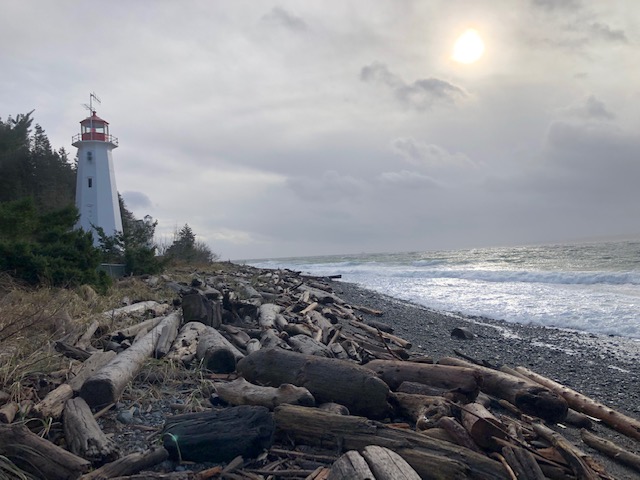
Home to the Wei Wai Kum First Nation and Cape Mudge Lighthouse, this area offers spacious lots and peaceful surroundings with a deep cultural history.

View South Quadra listings

Granite Bay

Rugged and private, Granite Bay is surrounded by forest and trails, perfect for outdoor enthusiasts. Properties are usually multiple acres, suitable for homesteads and retreats.

Acreages in Granite Bay

Bold Point

A remote, scenic area with access to kayaking and wildlife. Properties range from 5–20 acres or more, appealing to those seeking solitude and large parcels of land.

View Bold Point listings

Whiskey Point

Whiskey Point offers panoramic ocean views and quick access to Q-Cove. Homes include modern builds and west-coast style residences on treed lots.

View ocean-view homes

Village Bay Lakes Area

Centered around Village Bay Lake and Mine Lake, this neighborhood is great for swimming, paddling, and fishing. Homes range from rustic cabins to multi-acre estates.

View lakefront properties

Hooleyville

Known for hobby farms, sunny clearings, and multi-acre properties. Hooleyville is perfect for buyers seeking rural privacy and a strong connection to the land.

View Quadra acreages


Final Thoughts

Quadra Island offers a unique blend of community, nature, and coastal living. Whether you prefer ocean views, forested privacy, or walkable village life, there’s a neighborhood for everyone.

Contact me today to start your Quadra Island real estate journey.

Read

Why Winter is Actually a Great Time to Buy a Home in Campbell River/ Quadra Island

Winter Home Buying Campbell River | Best Time to Buy Real Estate BC

Discover why winter is the best time to buy a home in Campbell River. Less competition, motivated sellers, and better prices. Expert REALTOR® insights for BC home buyers.


If you've been thinking about buying a home in Campbell River or Quadra Island, you've probably heard the conventional wisdom: wait until spring. The flowers are blooming, the sun is shining, and everyone says that's when the "real" market kicks into gear. But here's what most people don't realize: winter might actually be the smartest time to make your move.

I know what you're thinking. House hunting in the rain? Viewing properties when it gets dark at 4:30 PM? It sounds counterintuitive. But after years of helping clients navigate the Quadra Island real estate market, I've seen firsthand how winter buyers often end up with better deals, less stress, and homes they absolutely love. Let me explain why.

Less Competition Means Better Negotiating Power

Here's a simple truth about real estate: fewer buyers means more power in your hands. During the winter months, the number of active house hunters drops significantly. While everyone else is waiting for spring, you're one of the few serious buyers in the market.

What does this mean for you? You're not competing against five or ten other offers on the same property. You're not being forced into bidding wars that push prices well above asking. Instead, you're having genuine conversations with sellers who are motivated to make a deal.

In my experience, winter buyers in Campbell River or Quadra Island often negotiate 5-10% below asking price—savings that simply evaporate once the spring rush begins. That could mean tens of thousands of dollars staying in your pocket, money you can use for renovations, furniture, or simply keeping as a financial cushion.

Serious Sellers, Serious Savings

Let's talk about motivation. Sellers who list their homes during the winter months aren't doing it casually. They have reasons: a job relocation that can't wait, financial circumstances that require a quick sale, or they've already purchased their next home and need to close the deal.

This urgency works in your favor. These sellers understand that winter buyers are serious too—you're not just browsing open houses on a sunny Sunday afternoon. You're committed to finding the right home, and they're committed to selling. That mutual seriousness creates the perfect environment for fair negotiations.

Additionally, homes that have been on the market since fall often see price reductions as winter progresses. Sellers who initially priced optimistically in October may be much more realistic by December or January. These aren't distressed properties—they're simply homes whose owners are ready to make a deal with the right buyer.

You See the Home at Its Worst (Which is Actually the Best)

This might sound strange, but viewing a home during Campbell River's winter weather is actually an advantage. When you tour a property in February, you're seeing it under challenging conditions—and that's exactly what you want.

Think about it: the heating system is running at full capacity, so you can evaluate how well it works and how much it costs to operate. You're visiting during our rainiest months, which means you can spot any drainage issues, roof leaks, or moisture problems that would be invisible during a dry summer showing.

You'll also get a realistic sense of natural light. If the home feels bright and welcoming on a grey January afternoon, imagine how spectacular it will be in July. Conversely, if a home feels dark and dreary in winter, no amount of sunshine will fundamentally change that.

And here's the bottom line: if you fall in love with a home during the toughest time of year, you know it's truly the right place for you. As I tell my clients, "If you love it in February, you'll love it year-round."

Faster Closing Process

The entire real estate ecosystem slows down in winter—and that's actually a good thing for buyers. When you're ready to make an offer, you'll find that everyone involved in the process has more time and availability.

Home inspectors can schedule appointments within days rather than weeks. Your mortgage lender isn't juggling dozens of applications simultaneously, which means faster processing and more personal attention. Real estate lawyers have availability for closings that fit your schedule. Even moving companies are more flexible and often offer better rates during their off-season.

This efficiency means less stress and a smoother journey from offer to closing. You're not waiting anxiously for callbacks or competing for limited appointment slots. The entire process simply flows better when fewer people are trying to navigate it simultaneously.

Lock In Your Rate Before Spring

The mortgage market doesn't sleep during winter, and neither should your home buying plans. By securing your financing now, you're positioning yourself ahead of the spring rush when demand increases and rates can shift.

Getting pre-approved in winter means you know exactly what you can afford, and you can act quickly when the right property appears. You're not scrambling to arrange financing while competing with multiple other buyers. You're ready, qualified, and able to close efficiently—which makes your offer much more attractive to sellers.

Move In Before the Busy Summer Season

There's something to be said for getting settled during the quieter months. When you buy in winter and move in by early spring, you have time to make the home yours before life gets hectic.

You can paint rooms, undertake renovations, and arrange furniture without the pressure of summer activities, visiting family, or vacation plans. By the time the warm weather arrives, you're already settled and ready to enjoy everything Campbell River has to offer—the hiking, fishing, kayaking, and outdoor lifestyle that makes this area so special.

Your garden and yard projects are ready to launch as soon as spring arrives. You're not moving in during the height of summer when everyone else is busy, and you've had months to learn your neighbourhood, find your favourite coffee shop, and feel truly at home.

Campbell River-Specific Winter Advantages

Let's be honest about our local reality: Campbell River winters are mild compared to most of Canada. We're not trudging through snowdrifts or scraping ice off windshields every morning. Yes, we get rain—but we get rain in spring and fall too. It's part of island living, and it's something you should see before you buy.

Our winter market is also notably less frenzied than what you'll find in Victoria or Vancouver. We maintain a more balanced, reasonable approach to real estate year-round, which means winter buying here isn't the dramatic shift it might be in larger markets.

For those interested in waterfront properties, winter actually provides valuable insights. You'll see how the property handles winter storms, high tides, and weather exposure. You'll understand the true character of island living, not just the postcard-perfect summer version.

And here's something else to consider: you're seeing the neighbourhood in "real life" mode. No summer tourists, no seasonal visitors—just the actual community you'll be joining. You'll get a genuine sense of who your neighbours are and what daily life looks like. This point strikes especially relevant for Quadra Island, where the tourist season is nothing like the off season. 

Practical Winter House Hunting Tips

If I've convinced you to consider winter house hunting, here are some practical tips to make the process comfortable and effective:

Dress in layers. Homes may be too warm or too cool, and you'll want flexibility as you move from property to property.

Schedule viewings during daylight hours when possible. While Campbell River winters are dark, mid-day showings give you the best sense of natural light.

Bring a flashlight. It's helpful for checking crawl spaces, attics, and corners that might not be well-lit during darker months.

Bring rubber boots when looking at properties on Quadra Island.

Ask about heating costs and insulation. Request utility bills from the seller so you understand the real cost of keeping the home comfortable.

Check for moisture issues carefully. Look for condensation on windows, musty smells, and any signs of water damage or mold.

Pay attention to how the home feels. Is it cozy and inviting, or does it feel damp and cold? Trust your instincts.

Your Winter Advantage Starts Now

The truth is, winter buying isn't just viable—it's strategic. While everyone else is waiting for the perfect spring day to start their search, you could be settling into your new Campbell River home, having negotiated a better price with less stress and more support throughout the process.

The homes available right now aren't leftovers or second-tier properties. They're quality homes with motivated sellers, ready for the right buyer to recognize their value. That buyer could be you.

If you're considering a move to Campbell River OR Quadra Island, let's talk about the opportunities available right now. Winter buyers often become my happiest clients because they avoided the spring frenzy, saved money, and found homes they truly love.

I'm here to help you navigate the winter market with confidence. Whether you're relocating to the area, downsizing, or buying your first home, I'll provide the local expertise and personalized service you need to make the right decision.

Ready to explore what's available? Call me at 604-787-4594 or visit romankrzaczek.ca to start your winter home buying journey. Let's find your perfect Campbell River home—before everyone else starts looking.


Roman Krzaczek, REALTOR® - Serving Campbell River and Quadra Island with dedication, experience, and a commitment to your success.

Read

What is Quadra Island Famous For? 10 Unforgettable Reasons to Visit This BC Gem

Just a 10-minute ferry from Campbell River, *Quadra Island** is one of British Columbia’s best-kept secrets. From world-class diving to ancient Indigenous heritage, this Discovery Islands paradise delivers big on natural beauty, culture, and laid-back island living. Discover the 10 things Quadra Island is famous for—and why travelers keep coming back.*

1. World-Class Cold-Water Diving in Nutrient-Rich Waters

Quadra Island is a top scuba diving destination in BC, thanks to its cold, clear waters teeming with marine life. Spot giant Pacific octopuses, wolf eels, colorful nudibranchs, and massive anemone walls. The challenging Seymour Narrows offers drift dives you’ll never forget.

Pro tip: Book with Quadra Island dive operators for guided tours to the HMCS Columbia wreck and hidden reefs.

2. Nuyumbalees Cultural Centre – Canada’s Premier Indigenous Art Collection

Home to one of the finest collections of Kwakwaka’wakw masks, totems, and artifacts, the Nuyumbalees Cultural Centre in Cape Mudge is a must-visit. These repatriated treasures tell stories of potlatch ceremonies, resilience, and artistry spanning thousands of years.

Best time to visit: Summer for guided tours and cultural demonstrations.

3. Epic Hiking Trails: Chinese Mountains & Beyond

The Chinese Mountains Trail is Quadra’s signature hike. Wind through old-growth Douglas fir forests, past moss-covered boulders, and up to 360° panoramic views of the Strait of Georgia, mainland peaks, and neighboring islands.

Trail stats: 6 km return | Moderate-strenuous | 2–3 hours

Other favorites: Newton Lake Loop, Morte Lake, and Rebecca Spit Beach Walk.

4. Rebecca Spit Marine Provincial Park – Coastal Perfection

This iconic sand spit stretches into calm waters, perfect for kayaking, picnics, and wildlife watching. Watch seals basking, eagles soaring, and orcas cruising by. Sunrises here are legendary.

Bonus: Launch your kayak or paddleboard right from the beach.

5. Vibrant Arts Scene & the Famous Quadra Island Studio Tour

Quadra is a creative hub for painters, potters, sculptors, and woodworkers. The annual Quadra Island Studio Tour (June) lets you visit 50+ working studios, meet artists, and buy one-of-a-kind pieces.

Why it’s special: No galleries—just raw creativity in barns, cabins, and seaside studios.

6. Deep Indigenous Roots: We Wai Kai, We Wai Kum & Kwiakah Nations

Quadra sits in the heart of Kwakwaka’wakw territory. Explore ancient petroglyphs carved into shoreline rocks, visit the Tsa-Kwa-Luten Lodge (owned by the We Wai Kai), and learn how Indigenous culture remains central to island life.

Respect tip: Always ask permission before photographing sacred sites.

7. True Island Life – Just 10 Minutes from Campbell River

Enjoy remote island vibes without the hassle. The BC Ferries route from Campbell River to Quathiaski Cove runs every half hour on the hour. Stock up on groceries, dine out, or catch a flight—then return to peace and quiet.

Perfect for: Digital nomads, retirees, and weekend escapes.

8. Tight-Knit Community & Local Events

With ~3,000 residents, Quadra has real small-town heart. Join the Saturday Farmers’ Market, catch live music at Heriot Bay Inn, or attend a community potluck. Everyone waves. Everyone helps.

Don’t miss: Quadra Community Centre events and seasonal festivals.

9. Incredible Wildlife – On Land, Sea & Sky

Quadra is a wildlife hotspot:

- Bald eagles (so common you’ll stop counting)

- Orcas & humpbacks in Discovery Passage

- Black bears in the forests

- River otters playing in coves

- Migratory birds during spring/fall

Bring binoculars—nature is the star here.

10. Writers & Historians Who Made Quadra Famous

- Hilary Stewart: Lived on Quadra 35 years; authored Cedar and Looking at Indian Art of the Northwest Coast

- Jeanette Taylor: Wrote The Quadra Story and leads heritage walking tours

Their books and stories have put Quadra on the map for culture lovers worldwide.

Why Quadra Island Keeps Calling You Back

It’s not just the views, the diving, or the art. It’s the quiet mornings with mist on the water, the stranger who waves from a pickup truck, the sound of waves replacing your phone notifications.

People visit for a weekend and start browsing Quadra Island real estate. Others return every summer like clockwork. Some stay forever—writing, creating, and living slower.

Ready to Experience Quadra Island?

Take the ferry from Campbell River (only $15–20 round trip) and discover why this 310 km² island feels like a world apart.

Start planning your trip:

- [BC Ferries Schedule](https://www.bcferries.com)

- [Quadra Island Tourism](https://www.quadraisland.ca)

- [Nuyumbalees Cultural Centre](https://nuyumbalees.com)

Looking for insider tips? Contact local guide Roman Krzaczek at [romankrzaczek.ca/contact](#) for custom Quadra Island itineraries.

Posted by Roman Krzaczek | Quadra Island Local Realtor

romankrzaczek.ca – Exploring BC’s Hidden Coastal Gems

Read

5 Things People Ask About Moving to Campbell River, BC

Thinking about relocating to Vancouver Island? Campbell River consistently ranks as one of the most appealing communities for those seeking a balanced West Coast lifestyle. As a local real estate professional, I hear the same questions from prospective residents time and time again. Here are the top 5 things people want to know about moving to Campbell River.

1. What's the Job Market Like in Campbell River?

One of the first questions potential residents ask is about employment opportunities in Campbell River. The local economy is diverse and growing, with several key sectors driving job growth.

Major Industries:

The community serves as a regional hub for North Vancouver Island, meaning many services and businesses are concentrated here. Remote workers are also discovering Campbell River as an ideal location, with reliable internet infrastructure and a quality of life that's hard to beat. The cost of living is lower than Victoria or Vancouver, making your salary stretch further.

2. How's the Weather in Campbell River?

Campbell River enjoys one of the mildest climates in Canada, thanks to its coastal location. If you're moving from the prairies or Ontario, you'll appreciate the temperate weather year-round.

What to Expect:

  • Winters: Mild temperatures (usually 2-8°C), with rain being more common than snow- IT RAINS A LOT!

  • Summers: Comfortable and dry (typically 20-25°C), with long daylight hours

  • Annual rainfall: Approximately 1,400mm, mostly between October and March

  • Snowfall: Minimal in town, but nearby mountains offer excellent winter recreation YOU MUST VISIT MT. WASHINGTON! That’s our skiing hill and it’s about 45 minutes away from town.

The climate allows for year-round outdoor activities, from hiking and fishing to kayaking and golfing. Many residents say the mild winters are one of Campbell River's biggest advantages over other BC communities.

3. What Are Housing Prices and Availability Like?

Real estate in Campbell River offers better value compared to larger BC cities, though prices have increased in recent years as more people discover the area.

Current Market Overview: Campbell River's housing market includes everything from waterfront properties and single-family homes to condos and townhouses. Compared to Victoria or Vancouver, you'll find significantly more affordable options, making homeownership more accessible for families and first-time buyers.

Popular neighborhoods include Willow Point, Quinsam Heights, Campbellton and the downtown core. Each area offers distinct advantages, whether you're looking for ocean views, proximity to schools, or walkability to amenities.

For current listings and market trends, it's best to consult with a local realtor who understands the nuances of Campbell River's neighborhoods and can help you find the perfect property for your needs.

4. What Activities and Amenities Does Campbell River Offer?

Campbell River is known as the "Salmon Capital of the World," but there's much more to do here than fishing. The community offers an impressive range of recreational activities and amenities for a city of its size.

Outdoor Recreation:

  • World-class fishing (salmon, halibut, trout)

  • Hiking trails from easy walks to challenging mountain climbs

  • Elk Falls Provincial Park

  • Kayaking, paddleboarding, and boating

  • Mountain biking at the Campbell River Bikepark

  • Golf course and Resort with stunning views

  • Wildlife viewing (whales, bears, eagles)

Cultural Amenities:

Services: Shopping centers, restaurants, cafes, a recreation complex with pools and fitness facilities, and excellent healthcare services are all available. You won't feel isolated here—Campbell River has the amenities of a larger city with the charm of a smaller community.

5. How Is Campbell River for Families and Education?

Families considering Campbell River want to know about schools, safety, and community support. The good news is that Campbell River is an excellent place to raise children.

Education: The School District 72 serves the area with numerous elementary and secondary schools. North Island College also has a campus here, offering post-secondary education and training programs without leaving the community.

Family-Friendly Features:

  • Safe, welcoming neighborhoods

  • Excellent parks and playgrounds

  • Youth sports programs and leagues

  • Library with children's programs

  • Lower crime rates than larger urban centers

  • Strong sense of community and involvement

Many families are drawn to Campbell River for its outdoor lifestyle, where kids can grow up connected to nature while still having access to quality education and extracurricular activities. The community is tight-knit, making it easier to build lasting friendships and support networks.

Making Your Move to Campbell River

Campbell River offers an enviable lifestyle combining natural beauty, economic opportunity, and community spirit. Whether you're a young professional, growing family, or retiree seeking adventure, this Vancouver Island gem has something for everyone.

The questions above represent just the beginning of what you'll want to know about moving to Campbell River. The best way to truly understand if this community is right for you is to visit, explore the neighborhoods, and talk with locals.

Ready to explore Campbell River real estate? Contact me to discuss your housing needs, learn about available properties, and get insider knowledge about living in this remarkable coastal community. I'm here to help make your move to Campbell River smooth and successful.


Looking for homes in Campbell River, BC? Visit romankrzaczek.ca for current listings and expert local real estate guidance.

Read
MLS® property information is provided under copyright© by the Vancouver Island Real Estate Board and Victoria Real Estate Board. The information is from sources deemed reliable, but should not be relied upon without independent verification.
Chat Widget

WhatsApp Chat

Send me a message on WhatsApp

👋 Hi! I'm Roman. Fill out the form below to send me a message on WhatsApp.

This will open WhatsApp on your device