Real Estate Blog -Quadra Island and Campbell River

RSS

How Long Does It Realistically Take to Sell a House in Today’s Market?

When homeowners decide to put their property on the market, the very first question they usually ask is: "How long is this going to take?" Do I Need a Real Estate Agent?

The honest answer is that selling a house isn’t a single event—it is a timeline made up of moving parts. Many sellers look only at the days a home spends actively listed on the market, but that is just one piece of the puzzle. In reality, the true timeline depends heavily on your preparation, the current economic climate, and the underlying math of the closing process.

To understand how long it will take to sell your home, you have to look at the entire journey, from the moment you decide to sell to the day the keys change hands.

The Overlooked Phase: Pre-Listing and Preparation

The timeline of a successful sale begins long before the "For Sale" sign goes up in the yard. The pre-listing phase is often the most overlooked variable, yet it has the greatest impact on how quickly the rest of the process moves.

When estimating your timeline, you must first ask yourself several critical questions:

  • Is the property truly ready to be showcased, or are there unfinished DIY projects lingering?

  • What is the time of year, and how will seasonal buyer behavior affect your launch?

  • What are the broader market conditions right now?

  • Pre-listing checklist.

A few years ago, a client called me well in advance of their target moving date. Instead of giving me rigid instructions on how they wanted the sale to happen, they asked for strategic advice. Because we had time on our side, we walked through the home and anticipated the exact issues a buyer’s inspector might flag. We logically decided which repairs were worth fixing ahead of time and which ones could be left alone.

The client had ample time to clean up the property, finish the necessary projects, and wait for beautiful, sunny days to capture our marketing photos. Because we were proactive, the home sold seamlessly with zero unpleasant surprises. When you rush the preparation phase, you almost always pay for it with extra days or weeks sitting idly on the market.

Pricing in a Buyer's Market vs. a Seller's Market

My primary goal is always to sell a property for the highest possible price in the shortest amount of time. Achieving this requires recognizing that pricing is an art form, and the strategy changes entirely depending on who holds the leverage.

In a seller’s market, inventory is low and buyer demand is high. Sellers have the upper hand, meaning you can afford to list your property a bit higher because you have the cushion to come down if necessary.

Today’s real estate environment is firmly a buyer’s market in some areas. Locally, not technically in a buyers market but we are heavily dependent on other markets since our market attracts a lot of buyers from other areas such as Vancouver, Victoria, Nanaimo or out of province. The potential buyers need to sell their existing homes first in the big city before they can move here. 
We are facing a high volume of active inventory, which means your neighbors aren't just your neighbors—they are your direct competition. Buyers have choices, leverage, and the freedom to write lowball offers or simply keep walking. If a property is not priced correctly from day one, buyers will not even bother to look. To avoid disappointment and an agonizingly long sales timeline, you must price the home as close to true market value as possible.

Troubleshooting a Stale Listing: The 2-to-3 Weekend Rule

Today’s buyers are looking for immediate value. Very few people want to take on a property that requires major renovations, as construction is both time-consuming and incredibly expensive. Buyers want move-in ready homes.

If you decide to test the market by listing at a higher price, you must establish a strict troubleshooting strategy with your agent from the very beginning. You cannot count on the old method of "let's list it and see what happens." In a buyer's market, that approach stalls listings completely.

The first two to three weekends of a new listing are your golden window. If you receive zero showings or zero serious interest during those first few weeks, it is a clear indicator of a pricing issue. Buyers simply will not view a property that looks uninteresting or overpriced compared to the competition.

If you hit the one-month mark with no momentum, the solution is not a minor adjustment. To inject life back into a stale listing and make it more appealing than the competing inventory, you must be prepared to make a drastic price reduction of 10% to 15%.

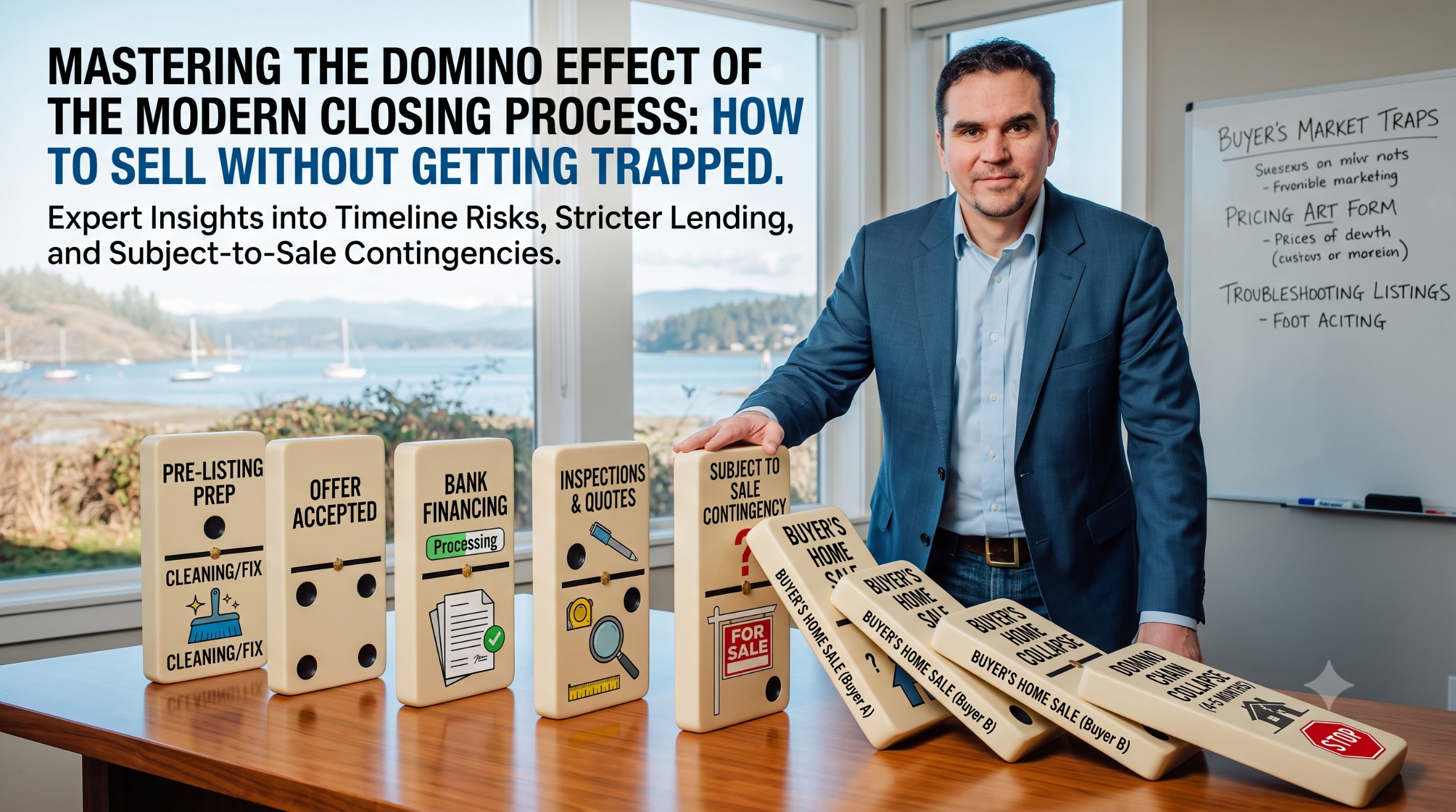
The Domino Effect of the Modern Closing Process

Once you finally accept an offer, many sellers assume they are at the finish line. However, the closing process in today's environment requires a realistic, conservative budget of time.

While a standard closing process traditionally takes two to three months, today’s market demands that you prepare for four to five months. There are two distinct reasons for this slowdown:

Stricter Institutional Lending

Banks and financial institutions have become significantly more demanding. They are slower at processing paperwork, they require highly detailed appraisals, and underwriters are asking for more historical information before clearing a loan. These financing delays, combined with the time it takes to get contractor quotes during the inspection objection phase, naturally stretch out the timeline.

The Rise of Contingent Offers

The biggest timeline disruptor right now is the "subject to sale" condition. Because the market has slowed down, a massive portion of active buyers cannot finalize the purchase of your home until they sell their existing property.

This creates a high-stakes domino effect. If your buyer fails to sell their home on time, your deal collapses. So far this year alone, I have had five written and accepted offers completely fall apart and collapse because the buyers could not sell their own properties in time. When a chain of multiple buyers all need to sell their respective homes to fund the next purchase, a single delay triggers a cascade that affects everyone involved. What Should I Expect From My Agent?

Setting Your Expectations for Success

Selling a home efficiently in today's real estate climate requires shedding outdated assumptions. You cannot control the broader market conditions or the speed of commercial banks, but you can control your own preparation and pricing strategy.

By handling repairs before the cameras arrive, pricing accurately for the current inventory, and budgeting a realistic four to five months for the closing dominoes to fall, you can navigate the timeline with confidence and avoid the traps that leave listings sitting in the dark. 

If you’re looking for an agent that will get the job done, I’d be happy to help: https://www.romankrzaczek.ca/

Read

What Questions Should I Ask My Real Estate Agent?

Choosing a real estate agent is one of the most important decisions you will make when buying or selling a home. I have been a real estate agent since 2014, initially working in the fast-paced Vancouver market before moving to Quadra Island in 2020. I now proudly serve Campbell River and specifically Quadra Island, British Columbia. Do I really Need a Real Estate Agent?

Over the years, I have learned that real estate is not just about properties; it is about people. It is a relationship built entirely on trust, and that trust has to go both ways. Unfortunately, there is still a lingering stigma that real estate agents are just out to take advantage of people. While my intentions are always strictly professional and I have a fiduciary duty to do what is best for my clients, the reality is that the public doesn't always understand how deeply a good agent cares.

To help you cut through the noise and find someone who will truly champion your best interests, here are the vital questions you need to ask before hiring an agent. What Should You Expect from Your Real Estate Agent.

Can You Provide Specific References and Examples of How You Help Clients?

Do not just ask an agent how long they have been in the business. Ask them to prove their value through the experiences of their past clients. You should ask for references and point-blank request specific examples of what they did to help others in situations similar to yours. 

I work frequently with elderly clients who are navigating incredibly difficult life transitions. For instance, I often help widows who are trying to figure out their next steps after losing their husband. In these situations, I step in as a guide, acting much like a close family member would. You need to know if the agent you are interviewing has the patience required to guide you through stressful times. A quick look at their Google reviews or a conversation with a past client will tell you if they actually walk the walk.

Are You a High-Volume Agent, or Will You Take the Time to Listen?

You need to know if you are just another number on a whiteboard, or if you are going to receive personalized care. Ask the agent if they are transaction-based or relationship-based.

A high-volume agent might simply pass you off to their assistants or rush you through the process. A dedicated, relationship-focused agent will spend the time to visit with you, sit down, and genuinely listen to your needs. They will treat you like a friend or family member, prioritizing your well-being over a quick commission check.

Will You Patiently Explain All the Forms and Processes?

Real estate transactions are dense with legal jargon, contracts, and strict timelines. If you are not an expert in the field, it is easy to feel overwhelmed.

Ask your prospective agent if they are willing to sit down and explain every single form and process to you before you sign anything. You want an agent who will take the time to ensure you fully understand what is happening at every stage of the journey. Patience is a non-negotiable trait in a good agent, and their willingness to educate you is a strong indicator of how they will handle the rest of the transaction.

How Familiar Are You With Local Hidden Issues and Bylaws?

Real estate is hyper-local. Moving from Vancouver to Quadra Island showed me exactly how much market dynamics can shift. Ask your agent to explain the specific challenges, quirks, and risks of the local area.

For example, Quadra Island does not have the same strict bylaw enforcement as a major city. The rules are much looser. Because of this, it is incredibly common to find properties with no permits of any kind, or neglected septic systems that desperately need maintenance or updating. (I have actually written extensively about this, and you can read more in my other blog posts). If your agent does not know to look for these island-specific or rural hurdles, you could be setting yourself up for a massive financial burden down the road.

How Do We Ensure Complete Mutual Transparency?

As an agent, I have a fiduciary duty to do what is best for my clients, but I can only do that if my clients are fully honest with me. Trust is a two-way street. You should have a frank conversation with your potential agent about expectations and transparency.

I have had wonderful clients who were completely transparent about their intentions and disclosed everything they knew about their property. But I have also faced situations where sellers intentionally withheld information—like a septic system lacking permits—or failed to tell me they were only using me to find out what their house was worth.

I once took on a listing where the sellers solely used me as leverage against their previous agent. I spent a significant amount of money, time, and effort marketing their property. I even brought them a solid offer. Instead of accepting it, they abruptly canceled my contract, took my hard work, went back to their original agent, and sold the home for a similar price as the offer I brought them. They ruthlessly used me and disposed of me, and I didn’t even see that coming.

Experiences like that make it hard to trust people when meeting them for the first time. That is why having a direct conversation about honesty from day one is so critical. Ask your agent how they handle tough truths, and commit to being just as transparent with them in return. When both agent and client communicate openly and treat each other with respect, the process is infinitely smoother, safer, and more successful. If you’d like to set up an appointment to meet me in person to discuss your sale, go to my website and contact me directly. 

Read

Can I Negotiate Real Estate Agent Commission?

It's one of the most common questions people have when buying or selling a home, and most people are too uncomfortable to actually ask it out loud. So let's talk about it honestly.

The short answer is: technically, yes. Commission is always negotiable. But before you go into that conversation, you need to understand what you're actually negotiating — and what you might be giving up when you do.
Do I even Need a Real Estate Agent?

What Most People Don't See Behind the Commission Cheque

I've been a licensed real estate agent since 2014. I started in Vancouver and have spent the last several years specializing in rural properties, oceanfront homes, and detached houses in Campbell River and Quadra Island. In that time, I've had the commission conversation more times than I can count, and I always approach it the same way: with honesty.

Here's what the public rarely sees.

When a home sells and a commission is paid, let's say it's $40,000 on a transaction. That sounds like a lot of money. But that commission is split between two agents — the listing agent and the buyer's agent. So now we're at $20,000 each. From that, my brokerage takes their cut, which can range from a flat deal fee to as much as 40% depending on the agent's agreement. Then there are the expenses I've already paid out of pocket for that listing: professional photography, marketing materials, advertising, open house costs, and in my case, ferry expenses traveling to and from Quadra Island. Easily $1,500 to $2,000 or more per listing, sometimes significantly higher.

On top of that, every two years I pay roughly $2,000 just to renew my license. There's mandatory continuing education. Real estate board fees. Website subscriptions. Advertising platforms. As a self-employed business owner, none of these costs disappear between transactions — and I don't get paid for showings, phone calls, open houses, research, or any of the dozens of hours that go into a listing before it ever sells. I only get paid when the keys change hands.

When you look at it that way, the commission cheque starts to look a lot different.

My Honest Opinion on Reducing Commission

I don't like reducing my commission. I'm not going to dress that up. I feel that my rates are fair — and honestly, sometimes I feel they're too low given everything that goes into a transaction.

Every deal is different. Some listings move quickly with minimal complications. Others require multiple rounds of photography, constant showings, extensive negotiations, and months of effort. The "easy" ones help balance out the difficult ones, but that's only true if I'm being compensated fairly across the board.

I have given discounts in the past. In almost every single case, I regretted it.

The "Easy Deal" That Wasn't

A few years ago, I got a call from someone who wanted me to write an offer on a property. They framed it as simple — just fill out the paperwork, reduced commission, quick day's work. I had a slow day ahead of me and agreed.

What followed was three days of stress. We ended up in a multiple offer situation. I hadn't seen the property. I didn't know what I was truly helping this person buy. That matters more than people realize, because I bring a lot to a property viewing — I spent years in the construction industry before real estate, I've attended countless inspections, and I can anticipate problems that most people would walk right past. When I haven't seen a home, I can't bring my full value to the table. I can't truly represent my client the way I'm supposed to.

I have a fiduciary duty to every client. That means I'm legally and ethically obligated to act in their best interest. When I'm brought in at the last minute at a reduced rate, that duty becomes harder to fulfill — and I don't take that lightly.

I did not feel good about that transaction. Not because of the money, but because I couldn't do my best work.

The Listing That Cost Me Everything

The other story I share when this topic comes up is harder to tell.

I took on a listing that turned out to be very difficult to sell. I did multiple open houses. I paid for professional photography twice — the first set wasn't capturing the property the way it needed to be captured. I made numerous trips, covered my own expenses, spent countless hours showing the property to potential buyers. After all of that, the seller decided not to renew with me and listed with another agent.

That agent sold the property. To a buyer I had already shown it to.

I received nothing. I actually came out at a loss.

That's the risk agents carry that nobody talks about. When you ask an agent to cut their commission, you're asking them to take on the same risk for less reward. And the risk is very real.

What You're Actually Getting When You Hire Me

When I list your home, here's what I bring to the table:

  • Listing on Realtor.ca, REW.ca, local newspaper, my personal website, and social media

  • YouTube marketing and targeted online advertising

  • Agent open houses to get your property in front of other professionals first

  • Public open houses

  • Active networking within the local agent community to highlight your listing

  • Accurate, strategic pricing — which I believe is the single most important factor in a successful sale

That last point deserves more attention. If your home isn't getting showings in the first two weekends after listing, the price is too high. If there's no offer within a month, same answer. Pricing accurately in today's market — with a lot of inventory and fewer active buyers — is genuinely difficult, and getting it right from the start is what separates a smooth sale from a long, painful one.

Beyond the marketing, I show my own listings to potential buyer's agents before they bring their clients through. I help gather information, get quotes, and make sure buyers have what they need to feel confident about a purchase. My goal in every transaction is a win-win: the seller walks away satisfied with their result in the shortest possible time, and the buyer understands what they bought and knows they got good value.

Why the Local Market Is Different

Campbell River and Quadra Island are not Vancouver. This is a small market with fewer transactions, less competition, and unique logistical realities — including ferry travel, rural property considerations, and a tighter community of agents and buyers. How to find the right real estate agent for you.

Fewer transactions means fewer chances to make up for a deal that goes sideways. The risks are the same as in any market, but the safety net is smaller. I'm not cutting corners on due diligence or documentation because there's less margin for error, not more.

I follow the rules. I don't take shortcuts. And I don't offer discounts, because I know what I bring to the table and I know what it costs me to bring it.

What You're Really Asking When You Ask for a Discount

When a seller asks me to reduce my commission, what they're often really saying is: "Convince me you're worth it."

And I'm happy to have that conversation. I'll come to your home in person. I'll show up to sign documents at 11pm if that's what the situation calls for. I will be there — not my assistant, not a partner, not someone from my office covering for me. Me. Every time.

I ask myself the same questions with every transaction: Would I sell this house to my parents? Would I buy this property for my siblings or my son? That's my moral compass. That's how I treat every client — like family.

So can you negotiate real estate commission? Yes. But I'd encourage you to first ask a better question: Am I working with someone who has earned it? What Should You Expect from Your Real Estate Agent.

If you're buying or selling in Campbell River or Quadra Island and want to talk about what that process actually looks like, I'd love to connect.

Read

What Should You Expect From Your Real Estate Agent?

If you're buying a home in Campbell River or on Quadra Island, there's a good chance you're coming from somewhere bigger — Vancouver, Nanaimo, Victoria, or even out of province. If you're selling, you're probably local, with deep roots in this community and a property that means something to you. Either way, you're trusting a near-stranger to guide you through one of the biggest financial decisions of your life.

So what should you actually expect from that person? Not the marketing version. The real one.

I've thought about this a lot, because I think most people walk into a real estate relationship with the wrong expectations — set by TV shows, by agents who over-promise, or by nothing at all. Here's what I believe you're entitled to.

Treated Like Family, Not a Transaction

I treat my clients the way I'd want to be treated if our roles were reversed. That's not a slogan for me — it's shown up in some very unglamorous ways. I've visited clients in the hospital. I've spent hours making sure a buyer fully understands what they're actually purchasing, well past the point where a lot of agents would have called it done.

For sellers, that same philosophy means making the process as easy as possible on you. Selling a home is stressful enough without your agent adding friction. I communicate often, I check my ego at the door, and I cooperate with other agents and their clients rather than treating every transaction like a battle to be won.

A Realtor Who Does the Homework

Anyone can unlock a door and write up an offer. That's not what you're paying for. You're paying for judgment, and judgment only comes from doing the work.

Pricing and Timing Win Deals

In my experience, pricing and timing are the two most important factors in a successful sale. When a seller trusts my pricing strategy instead of anchoring to a number they wish were true, we sell faster and with less drama. The market on Vancouver Island shifts often, and what worked three months ago doesn't always work today.

Weekly Market Research

I spend a real amount of time every week tracking what's happening in the broader economy and in our local market specifically. Interest rates, inventory, buyer demand — it all moves, and an agent who isn't paying attention week to week is giving you stale advice dressed up as current advice.

Inspections Aren't Optional

I insist that my clients have full information before they make decisions. That means well inspections, septic inspections, and full house inspections — not because they're a formality, but because they protect you. I'd rather a client know about a problem now than discover it after possession.

Seeing Properties In Person

I like to actually walk a property, not just process the paperwork from behind a desk. You learn things standing in a home or on a piece of rural land that you simply cannot learn from photos and a listing description.

Strategic Thinking, Not Just Paperwork

A good agent isn't just executing tasks — they're anticipating what could go wrong before it happens. I spend a lot of energy trying to find the negatives in a deal ahead of time: the thing that could derail financing, the clause that could cause a dispute, the timeline that's too tight. Being prepared in advance beats scrambling under pressure every time. That's strategy, and it's a core part of what you should expect from your agent — not just someone who reacts well, but someone who plans ahead.

What I Ask of My Sellers

Expectations go both ways, and I'm upfront about what I need from sellers to get the best outcome.

Let's work as a team to compile as much information as possible for potential buyers. In some cases, a pre-listing home inspection is genuinely worth the cost — it removes uncertainty and builds buyer confidence. And if you already know there are issues with the property, my advice is usually to get them fixed before we list, rather than negotiate around them later.

Underneath all of it is a simple belief: genuinely caring about my clients is what gets the results we're all after. It's not a soft add-on to the strategy. It is the strategy. How Much Does a Real Estate Agent Cost? 

What I Ask of My Buyers

If you like a house, don't pretend you don't. I see a lot of buyers play games — acting indifferent, holding back, trying to gain leverage through silence. It rarely works the way people think it will. If you like a house, let's talk about putting in an offer.

Sometimes it makes sense to do inspections and due diligence before writing an offer at all, depending on the property and the market conditions. Working closely with your agent and being transparent goes a long way, which is exactly why it matters to work with someone you actually trust.

Share your concerns, your intentions, and your limitations up front. Tell me if you're seriously ready to buy, or if you're just starting to look around. Both are completely valid — but knowing which one you are helps me actually help you. I have prepared a pre-inspection checklist that is a good tool for my buyers.

Communication Is the Foundation

Everything above comes back to one thing: communication. Starting the relationship from the understanding that we're on the same team changes how the entire process unfolds. You're not negotiating against your agent. You're not guessing what they're thinking. You're working alongside someone who has your outcome in mind from day one.

My Fiduciary Duty to You

This part isn't opinion — it's the rulebook, and I take it seriously. Agents have a fiduciary duty to act in their client's best interest. We're required to keep client information confidential, even after the transaction has closed. And we're required to disclose all material information about a property to our clients. These aren't nice-to-haves. They're the foundation of what you should be able to expect from any licensed agent, full stop.

Forget "Location, Location, Location" — Think "Timing, Timing, Timing"

Here's where I'll push back on conventional real estate wisdom. "Location, location, location" gets repeated by agents almost on autopilot, like it explains everything. I don't think it does — not anymore, and maybe not ever, at least not on its own.

In my experience, timing matters more. The same property, the same location, can sell in days or sit for months depending on when it hits the market, how it's priced relative to that moment, and how the broader economy is behaving that week. Location is fixed. Timing is something a skilled agent actually helps you manage. If I had to pick three words to describe what actually drives a successful sale, they'd be timing, communication, and goals — not a real estate cliché that's been recycled for decades.

The Bottom Line: What You Should Actually Expect

Whether you're a buyer relocating from Vancouver or Victoria, or a seller who's lived in Campbell River or on Quadra Island for years, here's what I believe you're owed from your agent:

  • Genuine care, not a transactional relationship

  • Weekly attention to market and economic conditions, not stale advice

  • Insistence on inspections and full information, not assumptions

  • Strategic anticipation of problems, not reaction after the fact

  • Honest, ego-free communication from start to finish

  • Strict adherence to fiduciary duty, including confidentiality that doesn't expire at closing

That's the standard I hold myself to, and it's the standard I think every buyer and seller in this market deserves to expect. 

I’m here to help 

Read

How Much Does a Real Estate Agent Cost? An Honest Answer from a Quadra Island REALTOR®

One of the most common questions I get from people thinking about buying or selling on Quadra Island or in Campbell River is: “How much does a real estate agent actually cost?”

It’s a fair and important question. In a place like Quadra Island, where properties can be unique, rural, and sometimes complicated, you want to know exactly what you’re paying for. What Should You Expect from Your Real Estate Agent?

Here is my honest answer as a full-time REALTOR® who has lived on Quadra Island since 2020. I tried to cover as many questions as possible in my Frequently Asked Questions page, which I encourage you to visit.

My Standard Commission for Sellers

There are NO industry standards and every real estate agent is an independent contractor. For most residential properties on Quadra Island and in the Campbell River area, my commission rate is:

7% on the first $100,000 + 3% on the balance.

For example:

  • A $600,000 home would total $22,000 in commission (plus GST)

  • A $1,200,000 waterfront property would total $40,000 in commission (plus GST)

This full-service rate includes professional photography, drone videos, floor plans, marketing, showings, negotiations, paperwork, and full support through to completion. Please remember that this commission is split between the 2 agents, the listing agent and the selling agent.

I Offer Flexibility

Every property and situation is different. I frequently adjust my commission based on the actual work involved. For business or commercial sales, I usually charge 10% or $10,000, whichever is greater.

I don’t believe in a rigid one-size-fits-all approach. My goal is always a fair agreement that reflects the real effort required. If I need to hire a professional marketing company for photos, videos, or floor plans, or if I must travel to remote locations for showings, those costs are factored in.

How Buyer Representation Works

In most cases, the seller’s agent offers compensation to the buyer’s agent. This is usually around half of their commission, though it varies by listing.

Sometimes a listing agent offers only a small amount (such as $500) or nothing at all. In those situations, the buyer and I agree on a fair fee upfront, typically between $15,000 and $20,000 depending on the purchase price and level of service required.

Both buyer and seller always receive full disclosure of exactly how much each agent is being paid, no hidden costs, no funny business.

The Truth Most People Don’t See

Agents are only paid when the deal closes and the keys are handed over. The public rarely sees the hundreds of hours of unseen work that go into every transaction.

I spend countless hours writing blog posts, creating social media content, researching the market, attending professional development courses, and showing properties — often driving onto and off the ferry multiple times a week. I cover marketing expenses out of pocket and sometimes even help solve problems with my own funds when options run out.

This job means working all the time. It means sleepless nights worrying whether my client’s offer will be accepted, if I missed something in the contract, or whether the house will be properly cleaned before my buyer moves in. Our family life often suffers because of it.

I don’t have assistants. When you work with me, you get my full personal attention from start to finish.

Is the Commission Worth It?

In my strong opinion — yes, especially on Quadra Island and in rural areas.

The right agent will help you avoid expensive mistakes with septic systems, wells, unpermitted work, and zoning issues. They will negotiate better terms, guide you through the unique challenges of island living, and save you time, stress, and often thousands of dollars in the long run.

I’ve seen too many people try to save on commission and end up with bigger problems and expenses later. I came to Quadra Island not knowing which questions to ask, and now I can help you.

My Promise to You

If you choose to work with me, I will work hard for every dollar of my commission. The greatest compliment I can receive is a referral from a past client. It tells me I did my job well. Things about me.

Whether you’re thinking of buying or selling on Quadra Island or in Campbell River, I’m happy to answer your questions with no pressure.

Call or text me anytime at 604-787-4594 or email contact@romansellshomes.ca.

Let’s talk about how I can help you.

— Roman Krzaczek REALTOR® | Quadra Island Resident Since 2011

Read

The Ultimate Spring 2026 Seller's Checklist: Prep Your Campbell River & Quadra Island Home

As we head into late February 2026, the Vancouver Island winter is finally starting to lift, and the highly anticipated spring real estate market is just around the corner. Spring has historically been the busiest and most lucrative time to sell a home in Campbell River and the Discovery Islands.

However, with more inventory hitting the market, buyers have choices. The buyers flocking to our area—many of whom are escaping "City Fatigue" from the Lower Mainland or Victoria—are looking for move-in-ready homes that capture that idyllic coastal lifestyle.

If you want to stand out, command top dollar, and sell quickly, preparation is everything. Here is your ultimate, step-by-step checklist to get your property ready for the Spring 2026 market.

1. Conquer Coastal Curb Appeal

After a long, wet West Coast winter, the exterior of your home probably needs a little love. Buyers make their first impression within seconds of pulling into your driveway.

  • Banish the Moss: Power wash your driveway, walkways, and siding. Pay special attention to moss on the roof—buyers (and their inspectors) will immediately flag a mossy roof as a potential leak hazard.

  • Clear the Gutters: Make sure all winter debris, pine needles, and leaves are cleared out so spring showers drain properly.

  • Spruce Up the Landscaping: Prune back overgrown bushes, clear dead branches, and lay down fresh mulch or bark in your garden beds. A tidy yard tells buyers the home is well-cared for.

  • Create a Welcoming Entry: A fresh coat of paint on the front door, a new welcome mat, and a potted spring plant go a long way in making a house feel like a home.

2. Declutter and Depersonalize

Buyers coming from Vancouver or Victoria are moving here for space and breathing room. Make sure your home actually shows them that space!

  • Pack Up the Winter Gear: Put away the heavy coats, muddy Blundstones, and bulky winter gear cluttering up the mudroom or entryway.

  • Clear the Counters: In the kitchen and bathrooms, clear off 80% of what is on your counters.

  • Depersonalize: Take down large family portraits and highly specific decor. You want buyers to picture their family living in the home, not feel like they are intruding on yours.

  • Rent a Storage Unit: If your garage is packed to the rafters, consider renting a temporary storage unit in town. A spacious, clean garage is a major selling point for buyers with boats, ATVs, or outdoor hobbies.

3. Tackle the "Island Specific" Maintenance

Living in Campbell River or on Quadra Island comes with unique home features that mainlanders might not be used to. Getting ahead of these maintenance items will save you major headaches during the inspection phase.

  • Service the Heat Pump or Wood Stove: Have your HVAC system professionally serviced. If you have a wood stove, get the chimney swept and ensure you have a valid WETT (Wood Energy Technology Transfer) inspection certificate.

  • Check Windows and Seals: Winter coastal storms can be tough on weather stripping. Check for drafts or condensation between window panes and replace seals where necessary.

  • Pump the Septic & Check the Well (If Applicable): If your Quadra or rural Campbell River property is on a septic system or private well, get the septic pumped and have your water tested. Having clean records ready to hand to a buyer builds immense trust.

4. Let the Light In (Deep Clean & Stage)

We have some of the most beautiful ocean, mountain, and forest views in the world. Make sure your home highlights them.

  • Wash the Windows: Inside and out. Let the spring sunshine and those Discovery Passage views pour in.

  • Professional Deep Clean: Hire a professional cleaning service to tackle the baseboards, window tracks, appliances, and bathrooms. A sparkling home signals to buyers that the property has been meticulously maintained.

  • Neutralize Odors: We all go "noseblind" to our own homes. Have carpets professionally cleaned to remove any lingering pet odors or damp winter smells.

5. Gather Your Paperwork

A smooth transaction starts with being organized. Start gathering these documents now so we aren't scrambling when an offer comes in:

  • Property surveys or lot plans.

  • WETT certificates for fireplaces.

  • Receipts and warranties for recent upgrades (e.g., a new roof, hot water tank, or heat pump).

  • Well logs and septic maintenance records.

  • Your latest property tax assessment.

Ready to Make a Move This Spring?

The Spring 2026 market is shaping up to be dynamic, and positioning your home correctly from day one is the key to success. You don't have to navigate this alone.

Whether you are in Willow Point, Quathiaski Cove, or anywhere in between, I am here to help you strategize. Contact me today at 604-787-4594 or email contact@romansellshomes.ca for a free, no-obligation home evaluation. Let's find out exactly what your property is worth in today's market and get it sold!

Read

From City to Coast: The Ultimate Guide to Moving to Campbell River & Quadra Island in 2026

If you are reading this, you are probably feeling the "City Fatigue." You love the convenience of the Lower Mainland or Victoria, but the traffic, the noise, and the price per square foot are starting to lose their charm.

You aren't alone. As we move into the spring of 2026, we are seeing a renewed wave of buyers looking north—specifically to the hidden gems of Campbell River and Quadra Island.

Relocating here isn't just about buying a house; it’s about buying a lifestyle. But trading a condo in the city for an acreage on the coast comes with a learning curve. As a local Realtor® who helps clients navigate this exact transition, here is your ultimate guide to making the move.

1. Campbell River vs. Quadra Island: Choosing Your Pace

The first question I ask potential buyers is: How much island do you want in your life?

Campbell River is the hub. You have big-box stores, a hospital, recreational centers, and direct highway access to the rest of Vancouver Island. It is perfect if you want the "nature" lifestyle—fishing, hiking, skiing at Mount Washington—without sacrificing urban conveniences.

Quadra Island, a short 10-minute ferry ride across the Discovery Passage, is a different world. It is rural, artistic, and incredibly tight-knit. Life here revolves around the ferry schedule and others (a good blog post- have a read: Your guide to Ferries, Access and Daily Life on Quadra Island) . If you dream of privacy, a strong community, and slower mornings, Quadra is your spot.

2. The Logistics: Ferries and Commutes

For many city dwellers, a commute means being stuck on a bridge. Here, it might mean a boat ride.

If you are eyeing Quadra Island but plan to work in Campbell River, you need to become best friends with the BC Ferries schedule. It is a lifeline, not just a novelty. While the crossing is short, weather and peak summer traffic can impact your day.

  • Pro Tip: Download the BC Ferries app before you even book your viewing tour. It’s a good way to "practice" the lifestyle.

For those staying in Campbell River, your commute is likely measured in minutes, not hours. The lack of "rush hour" is one of the biggest shocks for my clients moving from Vancouver!

3. Rural Property 101: Wells, Septic, and Power

In the city, water comes from a pipe and waste disappears into the sewer. On many parts of Quadra Island and the outskirts of Campbell River, you are often your own utility company.

Buying a rural property means understanding:

  • Wells: Flow rates and water quality.

  • Septic Fields: Maintenance and capacity.

  • Power: How to handle outages during winter storms.

Don’t let this scare you—it’s manageable with the right knowledge. In fact, I recently wrote a specific guide on this very topic. "Pre-Inspection Guide for Island Properties I highly recommend reading this to understand exactly what to look for during an inspection.

4. Connectivity: Can I Work Remotely?

This is the #1 question for movers in 2026. Yes, you can. Campbell River has excellent fiber-optic coverage in most areas. Quadra Island has improved significantly, but coverage can vary from street to street. If your job depends on Zoom calls, do not assume every charming cabin has high-speed access. We can verify specific internet speeds for any listing that catches your eye.

5. The 2026 Market Value

Your money simply goes further here. While prices have stabilized across BC, the value proposition in our region remains incredible.

  • In Vancouver: $900k might get you a 2-bedroom condo.

  • In Campbell River/Quadra: That same budget often opens the door to detached homes with ocean views or substantial acreage.

(Check out my recent post: "Market Wrap-Up: December 2025for a detailed look at the numbers).

Ready to Make the Leap?

Moving to a new region is exciting, but it requires a guide who knows the territory. Whether you are looking for a low-maintenance rancher in Campbell River or a private retreat on Quadra, I can help you find a home that fits your new lifestyle.

Let’s get you moving.

Roman Krzaczek, REALTOR® Servicing Campbell River & Quadra Island 📞 604-787-4594 📧

Read

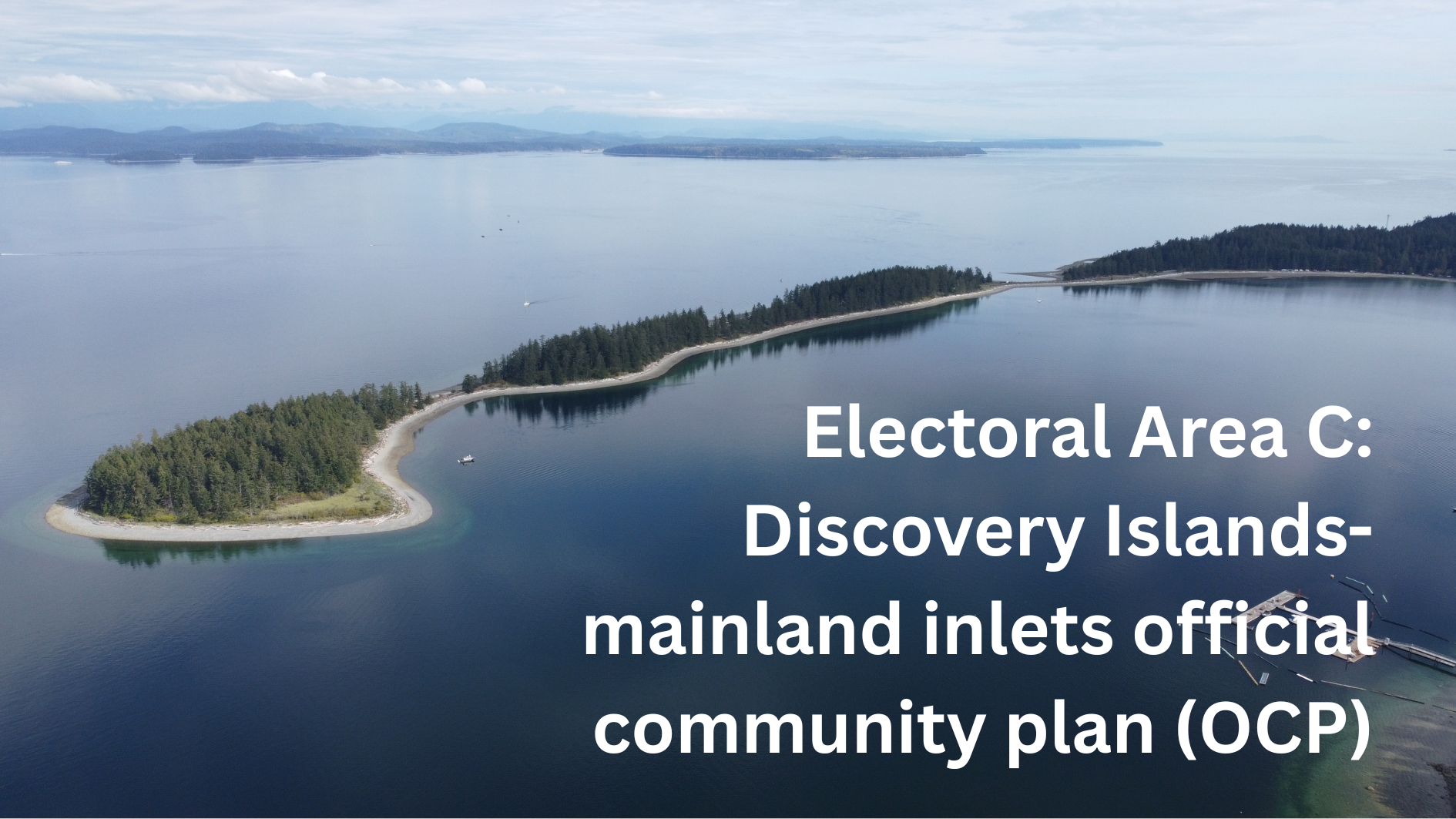
The "Village Vision": What the New Quadra OCP Discussions Mean for You

If you have been following the local news or attended the Strathcona Regional District (SRD) meetings this January, you’ve likely heard the buzzwords: "Village Containment," "Densification," and "OCP Update."

For many Quadra Island homeowners, these terms sound like bureaucratic noise. But make no mistake—the 2026 Official Community Plan (OCP) update is shaping up to be one of the most significant shifts in island planning in decades.

The emerging theme? The "Village Vision."

Here is a breakdown of what is being discussed, the specific lots making headlines, and what these changes mean for your property value.
The latest poll results are in for you to review called What We Heard
There are two series of meetings scheduled: one at the Quadra Community Centre, the other at the Surge Narrows Bunkhouse. Visit srd.ca/area-c-ocp/ for the complete schedule, under the ‘in progress’ pop-down. Next meeting is February 18th at QCC on ‘Water and Waste’ at 6pm.

What is the "Village Vision"?

The core proposal in the new OCP discussions is to stop "sprawl" before it starts. Instead of chopping up rural acreages into smaller lots, the plan aims to concentrate new growth into two specific hubs: Quathiaski Cove and Heriot Bay.

The goal is a trade-off: allow higher density (townhomes, smaller lots, carriage homes) inside these village boundaries in exchange for stricter protection of the forests and rural character outside of them.

The Hot Topic: Hyacynth Bay Road

One of the most concrete examples of this vision is the recent discussion around Lots 7 & 8 on Hyacynth Bay Road.

These provincial lots near Heriot Bay have been identified as potential sites for affordable or "attainable" housing. While nothing is built yet, the very discussion signals a shift. The SRD and community groups are actively looking for land within existing service areas to solve the island’s housing crunch.

Roman’s Take: If you own property near these hubs, keep an eye on this. Well-planned community housing can bring better infrastructure (like improved walking trails or transit stops) that benefits the whole neighborhood.

What This Means for Property Owners

Depending on where your property sits on the map, the "Village Vision" impacts you differently.

1. If You Are "Inside the Village" (Q-Cove or Heriot Bay)

You are likely sitting on increased potential.

  • Walkability Premium: As these areas densify, properties within walking distance of the ferry or the Tru Value Foods become more desirable to retirees and young families.

  • Carriage Home Potential: The new OCP is heavily favoring "gentle densification." If you have a standard lot in Q-Cove, it may become easier to get approval for a secondary suite or a detached Accessory Dwelling Unit (ADU). This effectively turns your single-family home into an income-generating property.

2. If You Are "Outside the Village" (Rural Zoning)

Your privacy is likely getting more protection.

  • Scarcity Value: If the OCP restricts subdivision on rural lands to prevent sprawl, existing large acreages become a finite resource.

  • The Trade-Off: While your "rural vibe" is protected, you may face stricter rules if you ever want to subdivide your land for family members. The days of easily slicing off a 1-acre parcel from a 10-acre farm may be ending.

The Bottom Line: It’s About Balance

Change is always tricky on an island that prides itself on being "quiet." However, the 2026 OCP update isn't about turning Quadra into a city—it's about ensuring that the inevitable growth happens intentionally rather than accidentally.

For buyers, this provides clarity. You know where the "hustle and bustle" will be (the villages) and where the quiet will stay (everywhere else).

Are you wondering if your property falls inside the proposed "Village Containment Boundary"? Send me a message. I have the latest maps and can help you understand how these zoning changes might affect your home's future value.

Roman Krzaczek Your Local Expert for Quadra Island  📞 604-787-4594 ✉️ Contact Me Here

Read

The "February Fix-Up": Prepping Your Campbell River & Quadra Home for the Spring 2026 Market

If you are thinking about selling your home this year, you might be waiting for the classic "Spring Market" to list. But seasoned sellers know a secret: the race is won in February.

While the flowers haven't bloomed yet in Campbell River or Heriot Bay, serious buyers are already setting their alerts for new listings. With the 2026 market showing signs of balance, competition is healthier than it has been in years. That means your home needs to stand out the moment it hits the MLS.

You don't need a full renovation to increase your sale price. You just need a strategic "February Fix-Up." Here are the 5 high-impact tasks to tackle this month.

1. Scrub the "West Coast Winter" Off Your Curb Appeal

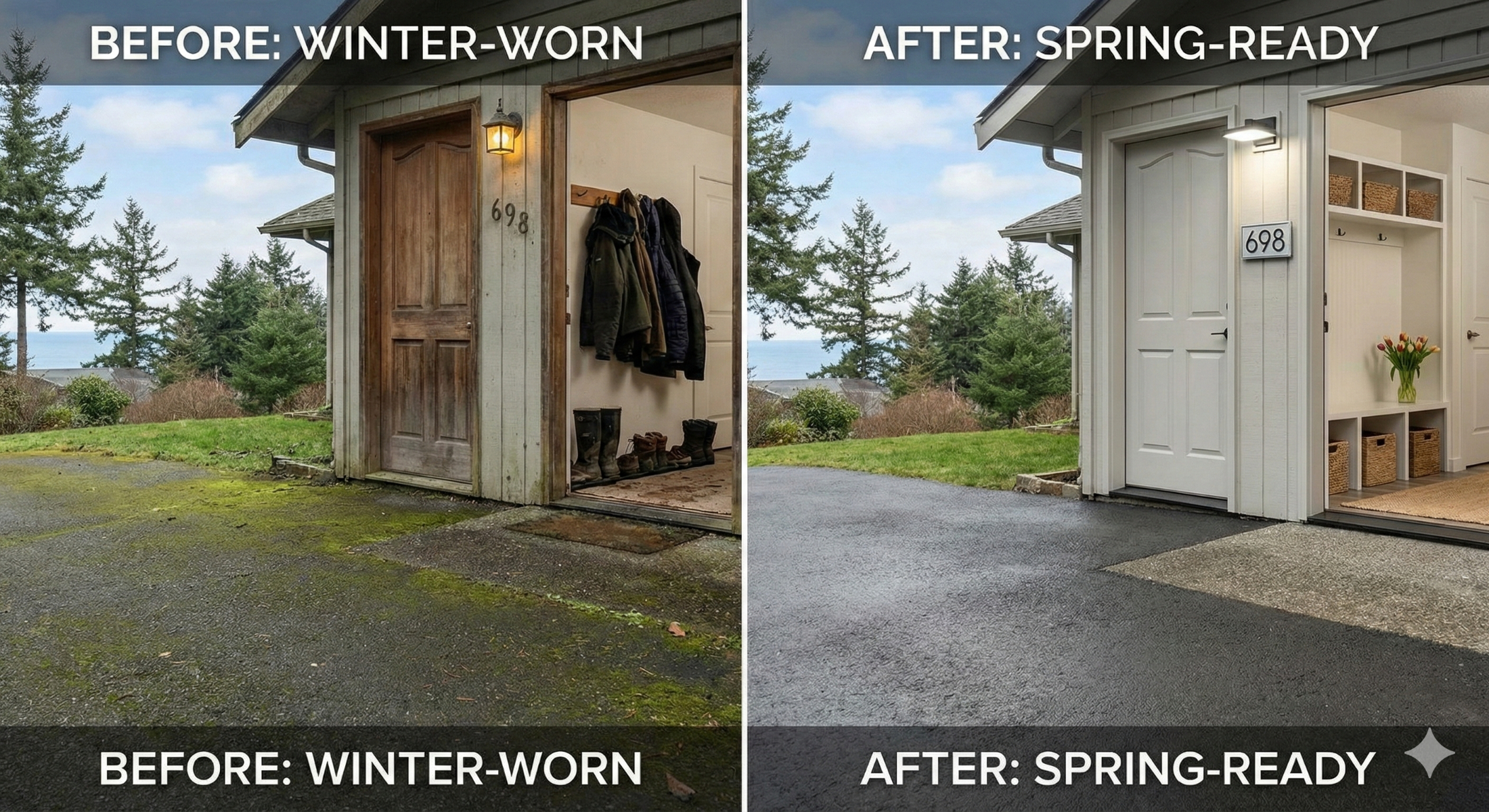
Let’s be honest—our winters are wet. By February, most driveways and siding in Campbell River and Quadra Island have accumulated a layer of green algae or moss.

  • The Fix: Pick a dry weekend to power wash your driveway, walkways, and siding.

  • Why it matters: Buyers make a decision within 7 seconds of pulling up to the curb. If the first thing they see is green slime on the siding, they immediately worry about maintenance issues. A clean exterior signals a well-cared-for home.

Pro Tip: Don’t forget the house numbers! If they are faded or dirty, swap them out for modern, high-contrast numbers. It’s a $40 upgrade that makes a huge visual difference.

2. The "Mudroom Detox"

In February, our entryways are often overflowing with gumboots, heavy coats, and rain gear. While practical for us locals, it makes your entry feel small and cluttered to buyers.

  • The Fix: Pack away 80% of your winter gear. Keep only the daily essentials accessible and store the rest in the garage or a closet.

  • Why it matters: The entryway sets the tone for the viewing. You want buyers to step in and feel a sense of space, not trip over boots.

3. Light It Up (The 3000K Rule)

February days are still short and often grey. If a buyer views your home at 4:00 PM, good lighting is non-negotiable.

  • The Fix: Check every lightbulb in your house. Are they mismatched? Do you have "warm yellow" bulbs mixed with "daylight blue"?

  • The Strategy: Swap out old bulbs for Soft White (3000K) LEDs. This temperature is crisp enough to look modern but warm enough to feel cozy during a rainstorm.

  • Clean the fixtures: Dust and dead bugs in light fixtures block up to 20% of the light. Give them a quick wipe-down.

4. Tackle the "Invisible" Annoyances

In a balanced 2026 market, buyers are more particular than they were during the frenzy of previous years. Small annoyances can make them wonder, "What else is broken?"

  • The Checklist:

    • Tighten loose door handles.

    • WD-40 squeaky hinges (especially the front door).

    • Re-caulk the bathtub if the seal is peeling or discolored.

  • Why it matters: These fixes cost almost nothing but remove "friction" from the buyer's experience.

5. Get Your Paperwork "Spring Ready"

Nothing stalls a sale faster than missing documents. If you are on Quadra Island or in rural Campbell River, this is double-important.

  • Septic & Water: Do you have your maintenance records?

  • Permits: Did you build a deck or a shed years ago? Gather those permits now.

  • The Fix: If you aren't sure what you need, check out my Pre-Inspection Guide for Island Properties. It covers everything rural sellers need to know about wells, septic, and easements.

Is Your Home Ready for the 2026 Market?

You don't have to navigate the prep process alone. The difference between a home that sits and a home that sells is often in the preparation.

If you are thinking of making a move this spring, let’s chat. I offer a Pre-Listing Walkthrough where I help you identify exactly which "fix-ups" will give you the best return on investment—and which ones you can skip.

Roman Krzaczek Your Local Expert for Campbell River & The Discovery Islands 📞 604-787-4594 ✉️ Contact Me Here

Read

Selling Your Quadra Island Home? 5 Pre-Listing Steps You Must Take

By Roman Krzaczek – Quadra Island Real Estate Advisor

If you’re planning to sell your Quadra Island home in 2026, preparation is key. The market is small and competitive, and buyers have plenty of choices. A few smart pre-listing steps can make your home irresistible, speed up the sale, and help you get top dollar.

Here are five essential steps to get your home ready for the market.


1. ✅ Get Your Septic System Inspected and Pumped

Why it matters: Nearly every buyer on Quadra Island expects a current septic inspection report. A failed inspection can:

  • Kill a sale instantly

  • Force a $25,000–$45,000 price reduction

Action Steps:

  • Hire a licensed septic professional (I recommend Sheldon May 250-202-7002) but there are others! 

  • Pump your tank and flush the field lines

  • Include a clean report in your listing package

Pro Tip: A clean septic report reassures buyers and avoids surprises during negotiations. Think of it as a pre-sale peace-of-mind check.


2. 💧 Solve the Water Question Once and For All

Why it matters: Buyers want proof of water quality and quantity, whether from a well or a community system.

Action Steps:

  • Order a full potability test

  • Conduct a flow test (minimum 3 gallons per minute)

  • Upgrade your pressure tank or cistern if water yield is borderline

IMPORTANT: Fixing water issues after your home is under contract is expensive. Solve them before listing to make your property buyer-ready.


3. 👃 Neutralize Odors

Why it matters: Smells can make or break a sale. Buyers notice odors from pets, smoke, mold, or cooking. Artificial air fresheners can backfire—they may suggest you’re hiding something.

Action Steps:

  • Aim for a neutral, clean scent throughout the house

  • Open windows and clean carpets, drapes, and HVAC filters


4. 📄 Gather Permits and As-Built Drawings

Why it matters: Buyers and lenders prefer all upgrades, decks, cabins, or plumbing work to be documented or disclosed. Missing permits can delay the sale.

Action Steps:

  • Collect all permits and as-built drawings

  • Apply for retroactive permits if needed

  • Ensure paperwork is ready before spring

Pro Tip: Retroactive permits are easier to obtain in the winter months before the spring rush.


5. 🏡 Declutter, Depersonalize, and Make Small Repairs

Why it matters: Buyers fall in love with Quadra Island’s lifestyle, not your personal collections.

Action Steps:

  • Store excess items in closets or garage

  • Remove personal décor like photos, trophies, and collectibles

  • Repair minor issues like leaky faucets, chipped paint, or squeaky doors


🔑 Pro Tip: Prepare This Winter for Spring Success

Completing these five steps before the spring buying surge ensures your home competes with the best-prepared properties. Well-prepared homes sell faster and often for more money.

Thinking about selling your Quadra Island home in 2026? Contact me for a no-pressure walk-through and a custom pre-listing checklist tailored to your property.


Roman Krzaczek, REALTOR®
romankrzaczek.ca | contact@romansellshomes.ca | 604-787-4594

Read

Essential House Maintenance Before the Snow Arrives on Quadra Island: What Every Homeowner Should Know

As winter approaches on Quadra Island, homeowners need to prepare their properties for colder temperatures, increased moisture, and the first snowfall of the season. Whether you live in Heriot Bay, Quathiaski Cove, or the more rural parts of the island, taking time for pre-winter maintenance can prevent costly damage and ensure your home runs smoothly all winter long. With most Quadra Island properties relying on private wells, septic systems, and unique coastal infrastructure, preparing ahead is especially important.

Below is a comprehensive guide to help you protect your investment and keep your home safe, efficient, and winter-ready.


1. Inspect and Protect Your Water Well System

Many Quadra Island residents rely on private wells for their water supply, which means winter preparation is crucial.

Winter Well Maintenance Tips

  • Insulate exposed pipes and wellheads to prevent freezing. Foam insulation sleeves and heat tape are inexpensive ways to avoid frozen lines.

  • Check your well house or pump shed to ensure it is weather-tight. Seal any gaps where cold air can enter.

  • Confirm your heat source is working, especially if your pump house uses a small heater to prevent freezing.

  • Test your water quality before winter. Heavy rainfall and shifting groundwater can affect turbidity and bacterial levels. 

Why this matters on Quadra Island

Cold snaps can be unpredictable, and a frozen well pump or line can lead to expensive repairs and leave you without water when you need it most.


2. Prepare Your Septic System for Cold Weather

Quadra Island homes often rely on septic systems, many of which are older or sit on large wooded lots where falling branches, roots, and heavy rainfall can cause issues.

Winter Septic Maintenance Checklist

  • Pump your tank if needed—especially if it’s been more than 3–5 years. A full tank is more likely to back up during wet winter conditions.

  • Inspect your drain field for pooling water, which can indicate saturation or clogging.

  • Keep the area above your field clear. Avoid storing firewood, parking, or placing heavy objects over the septic field in winter.

  • Mark the tank and access lids before the snow arrives for easier servicing if something goes wrong mid-winter.

Why this matters on Quadra Island

Heavy rainfall, clay-based soils in some regions, and aging systems can lead to mid-winter septic failures if not properly maintained.


3. Clear Gutters, Downspouts & Drainage Routes

With Quadra Island receiving significant fall and winter rainfall, proper drainage helps prevent leaks, foundation issues, and interior moisture problems.

What to do:

  • Remove leaves, needles, and debris from gutters and downspouts so snowmelt can drain properly.

  • Ensure downspouts direct water away from your home’s foundation.

  • Check that your ditch lines and culverts are unobstructed—especially important for rural acreages.

  • Walk your property after a heavy rain to identify any new pooling or erosion.

Proper drainage is key in preventing winter flooding, crawlspace moisture, and mold growth.


4. Check Your Roof, Chimney & Exterior

Roof

  • Inspect shingles for damage, moss, or lifting.

  • Clear debris and branches from the roof.

  • Trim nearby trees to prevent winter breakage.

Chimney

  • If you use wood heat—as many Quadra Island residents do—schedule a chimney cleaning to prevent chimney fires.

Siding & Windows

  • Seal gaps around windows and doors to prevent drafts.

  • Check siding for cracks or signs of moisture damage.


5. Prepare for Power Outages

Living on an island means storms can occasionally cause outages. Be ready with:

  • A maintained backup generator with fresh fuel.

  • Flashlights, lanterns, and battery backups for essential devices.

  • A stockpile of dry firewood if your home has wood heat.

  • A contingency plan for well pumps, fridges, and freezers.


6. Winterize Outdoor Plumbing & Irrigation

  • Disconnect garden hoses.

  • Shut off exterior taps from inside when possible.

  • Insulate exposed pipes, especially on older homes and crawlspaces.

  • Drain irrigation systems if you have them.

Even mild winters can bring sudden cold snaps, especially inland or at higher elevations.


7. Inspect Driveways & Access Roads

Many Quadra Island properties have private gravel driveways or long wooded access roads. Before the snow comes, make sure:

  • Potholes are filled to avoid worsening erosion.

  • Drainage ditches are clear.

  • You have a plan for snow removal (tractor, plow arrangement, or contractor).


Final Thoughts: Keeping Your Quadra Island Property Winter-Ready

Proactive maintenance before winter not only protects your home but also preserves the value of your property—especially important for anyone planning to sell in the future. With the unique mix of rural infrastructure, private wells, septic systems, heavy rainfall, and coastal conditions on Quadra Island, preparing early makes a big difference.

If you're thinking about buying or selling on Quadra Island and want advice on property condition, inspections, or what to look for in local systems, I’m always here to help.

Feel free to reach out anytime.

Roman Krzaczek
Real Estate Agent – Quadra Island & Campbell River
Real Broker

Read
Categories:   tips for sellers
MLS® property information is provided under copyright© by the Vancouver Island Real Estate Board and Victoria Real Estate Board. The information is from sources deemed reliable, but should not be relied upon without independent verification.